May 1, 2015 – Whitewater Preserve
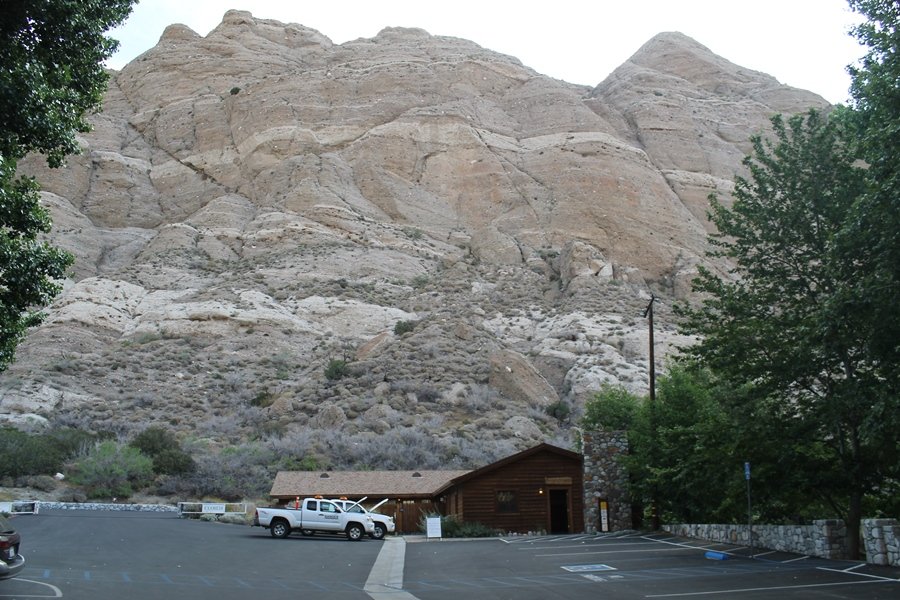
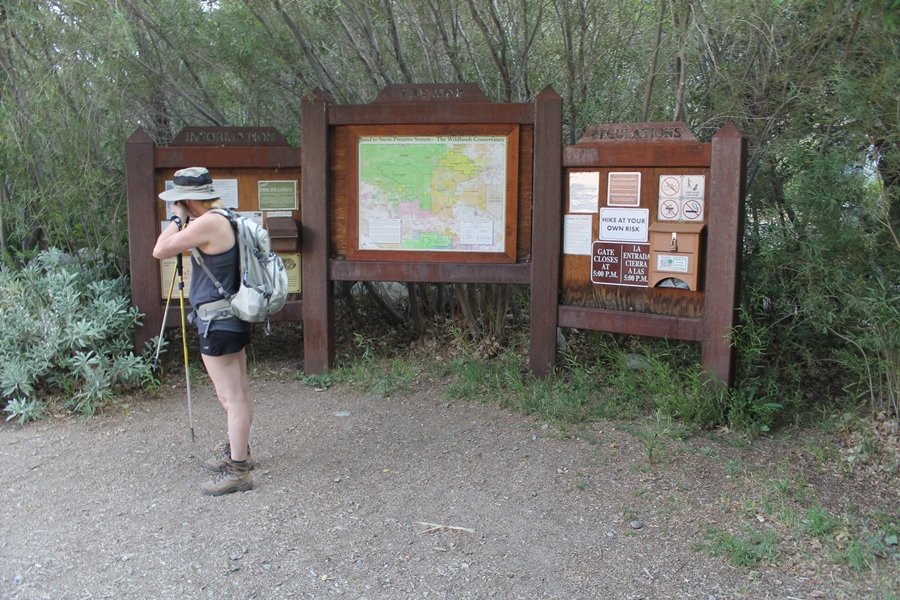
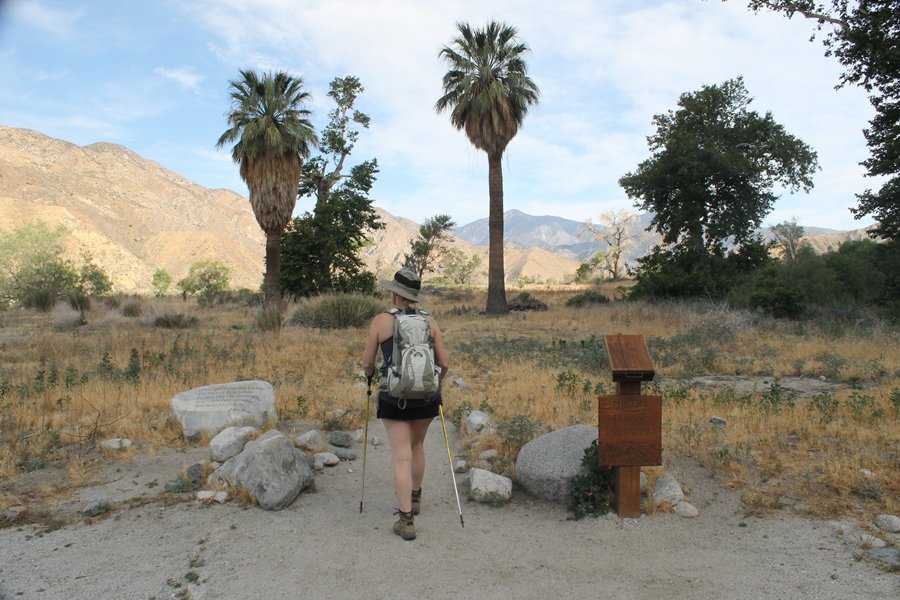
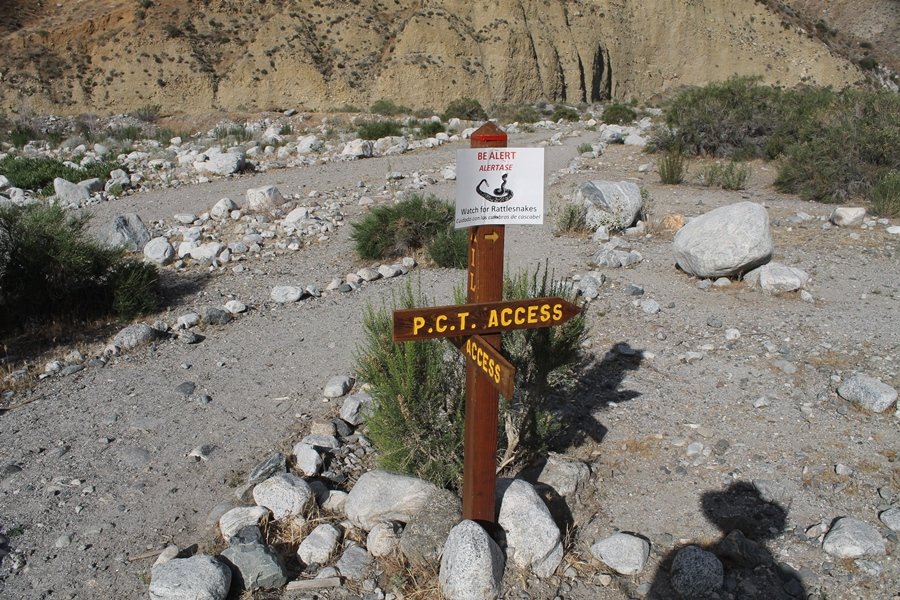
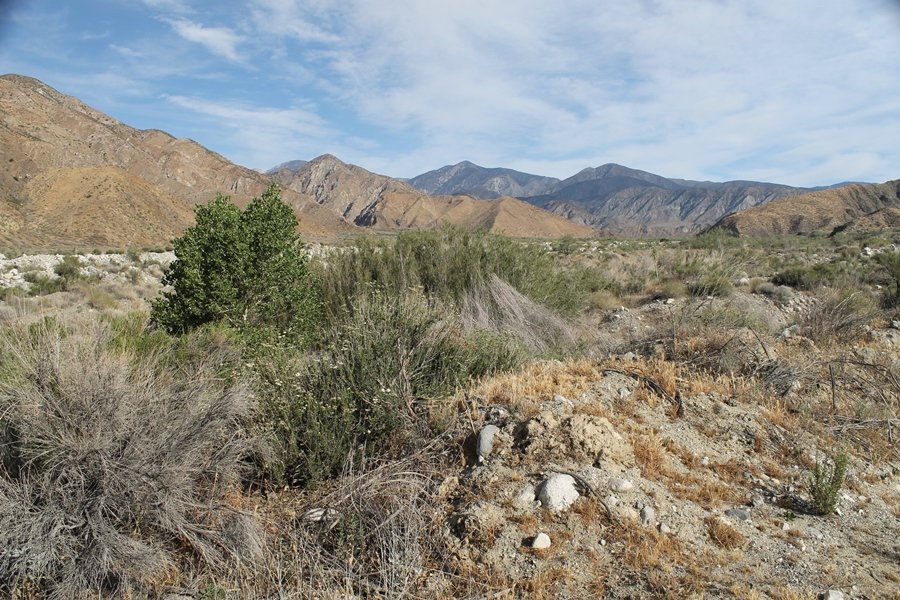
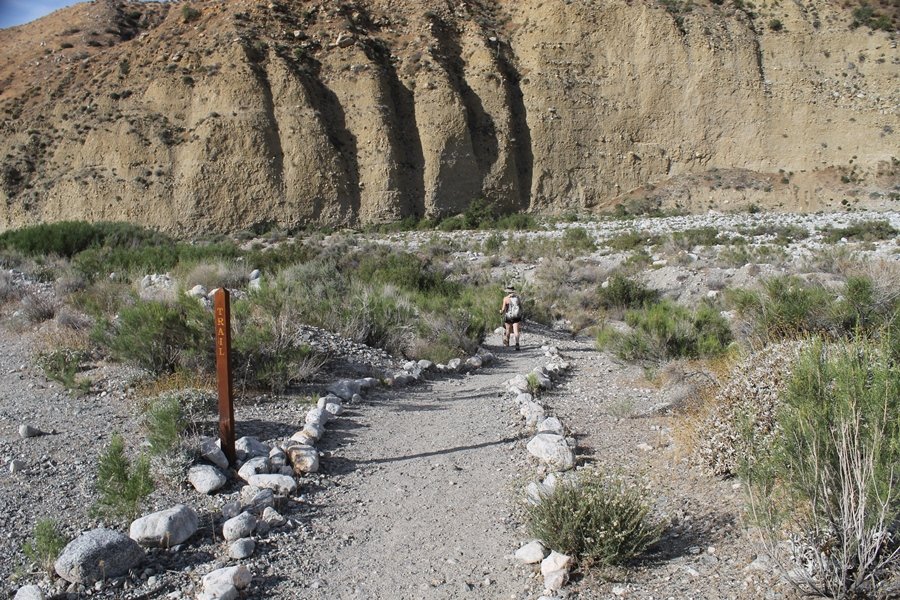
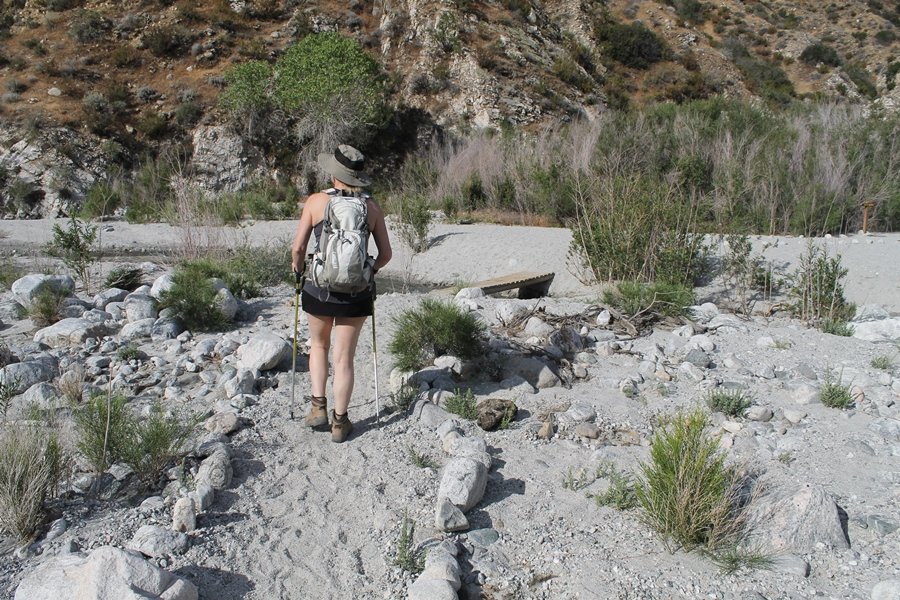
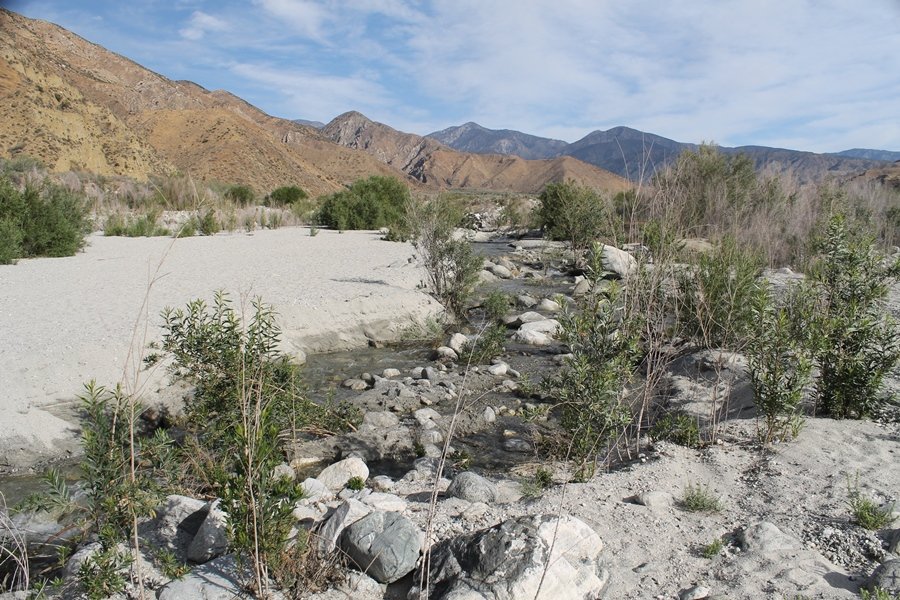
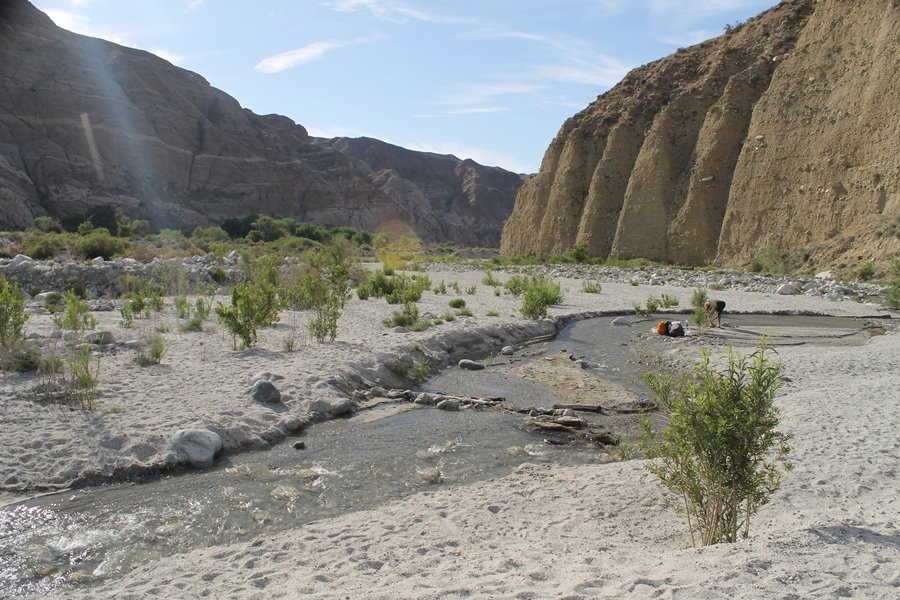
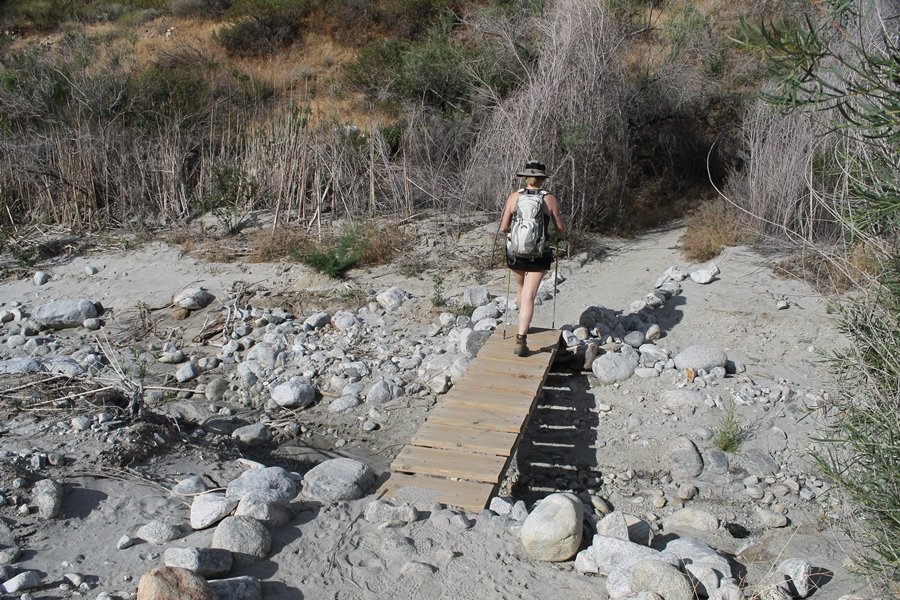
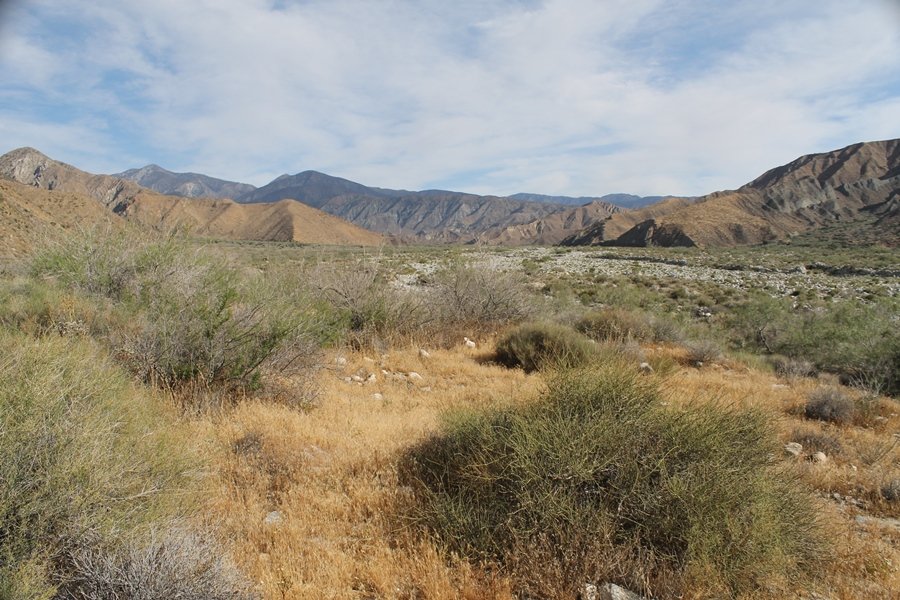
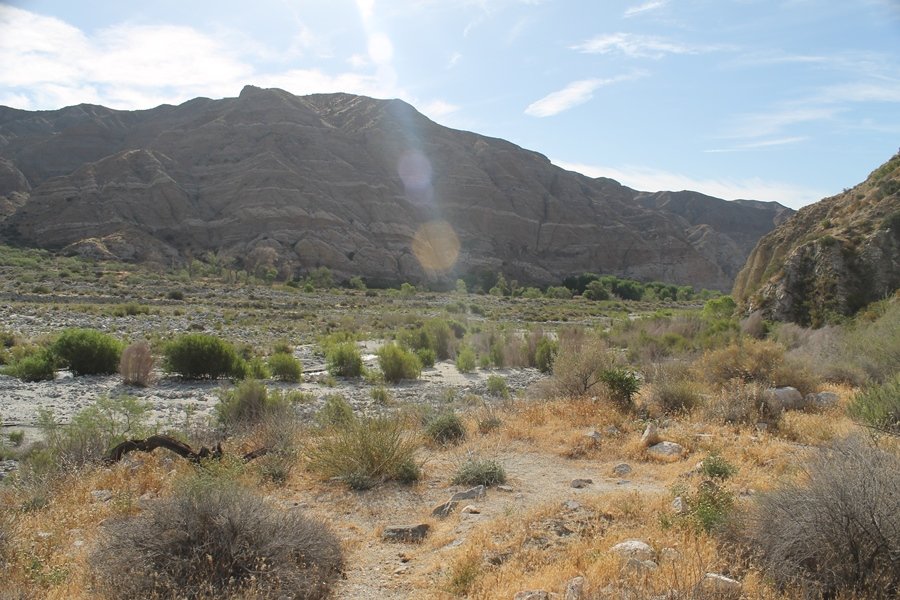
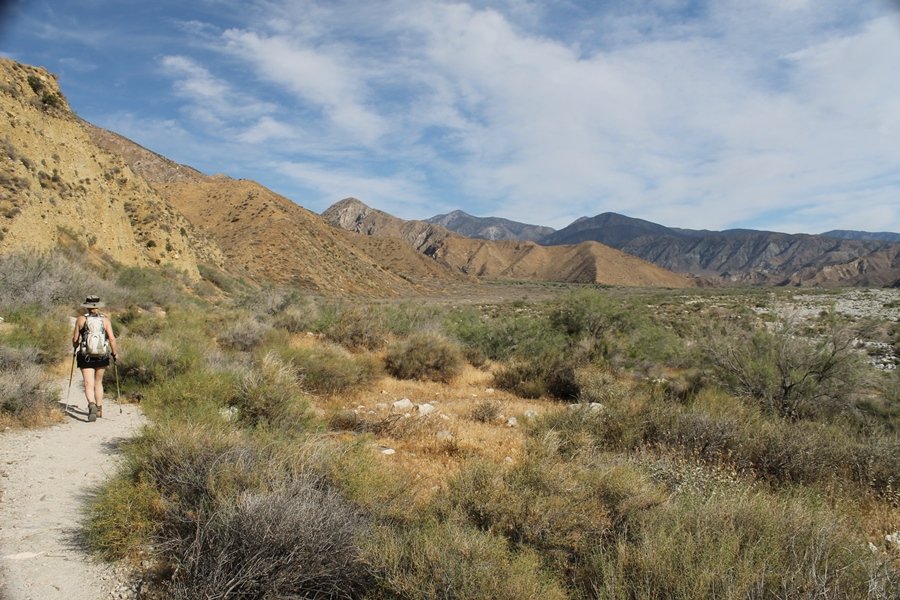
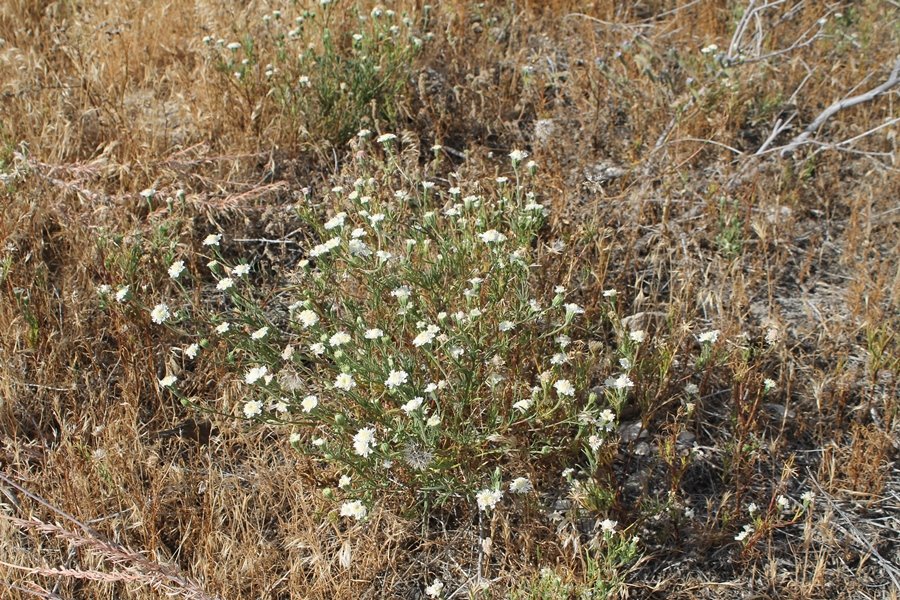
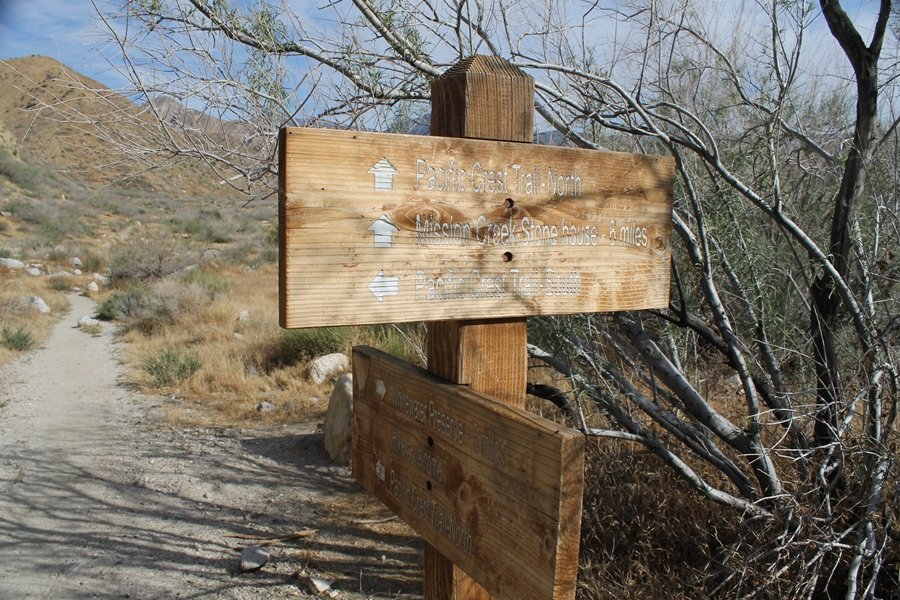
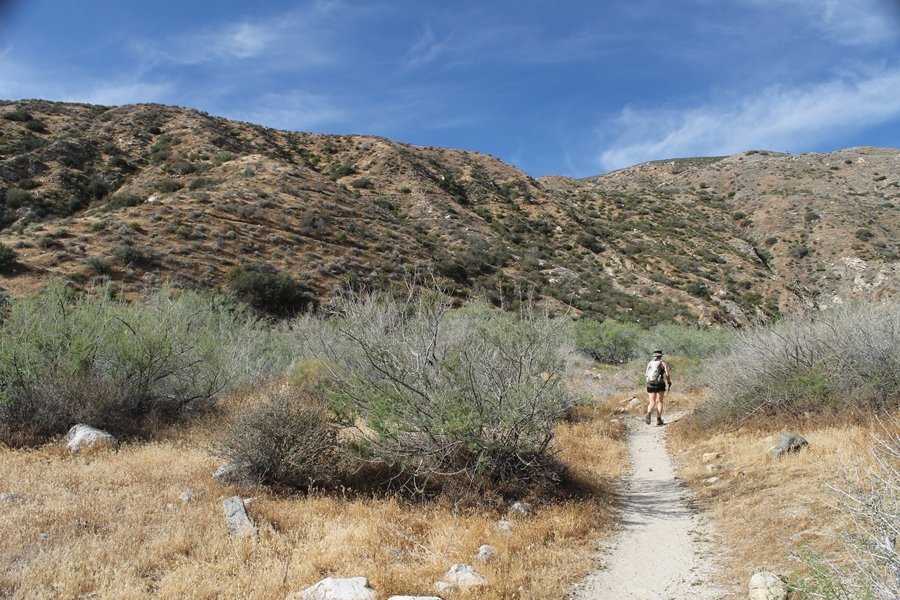
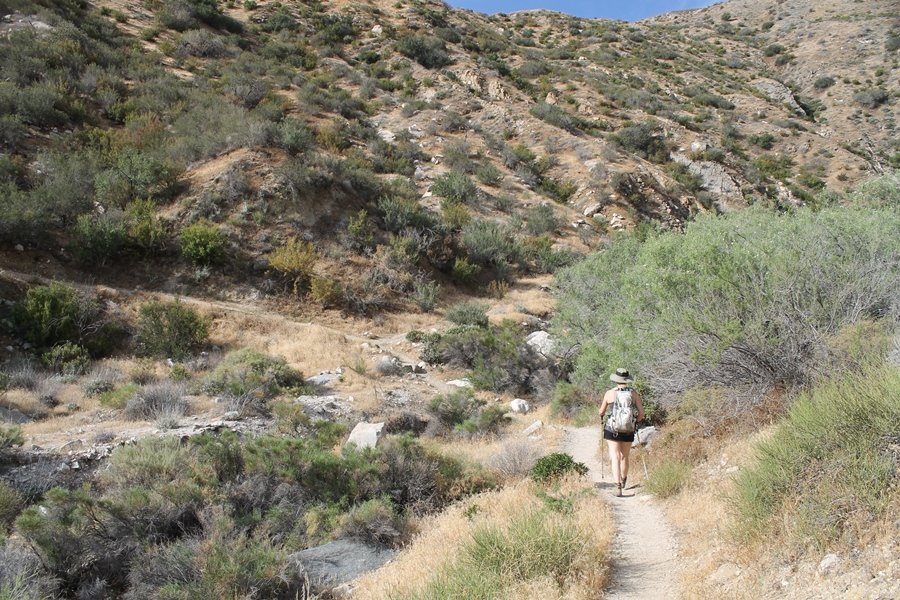
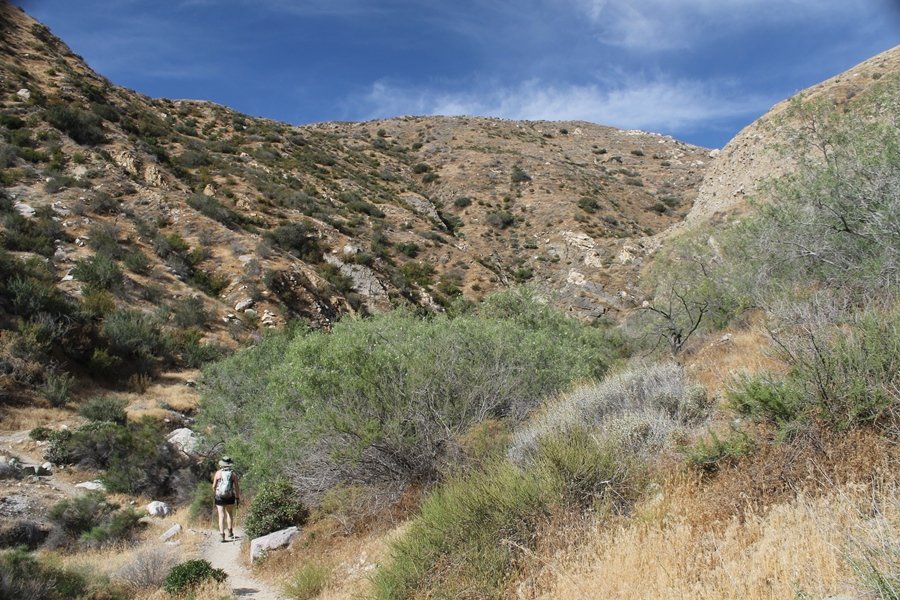
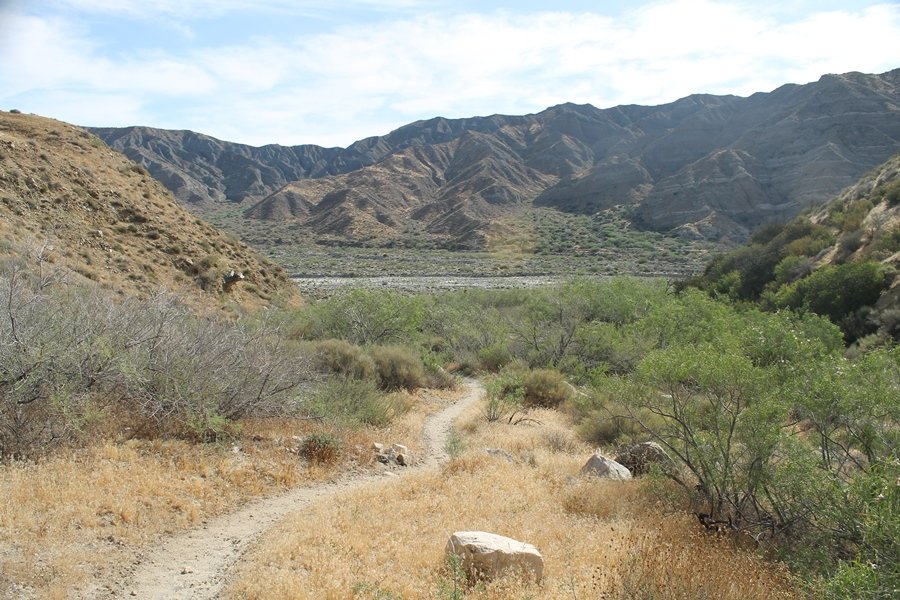
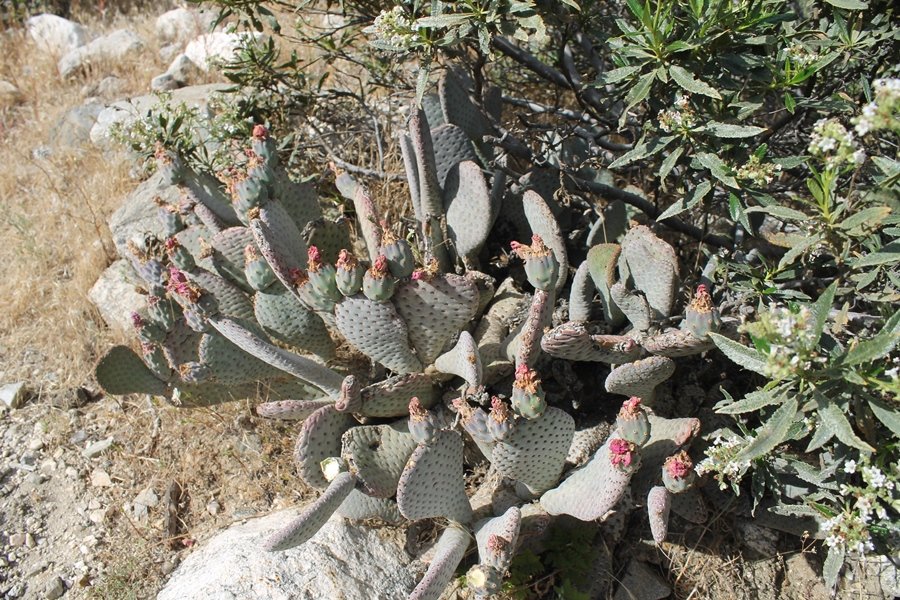
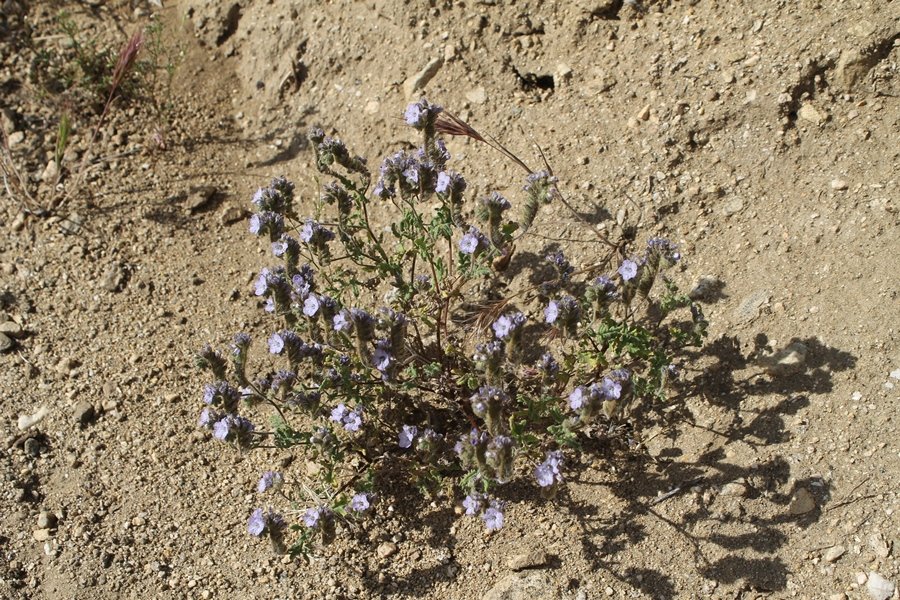
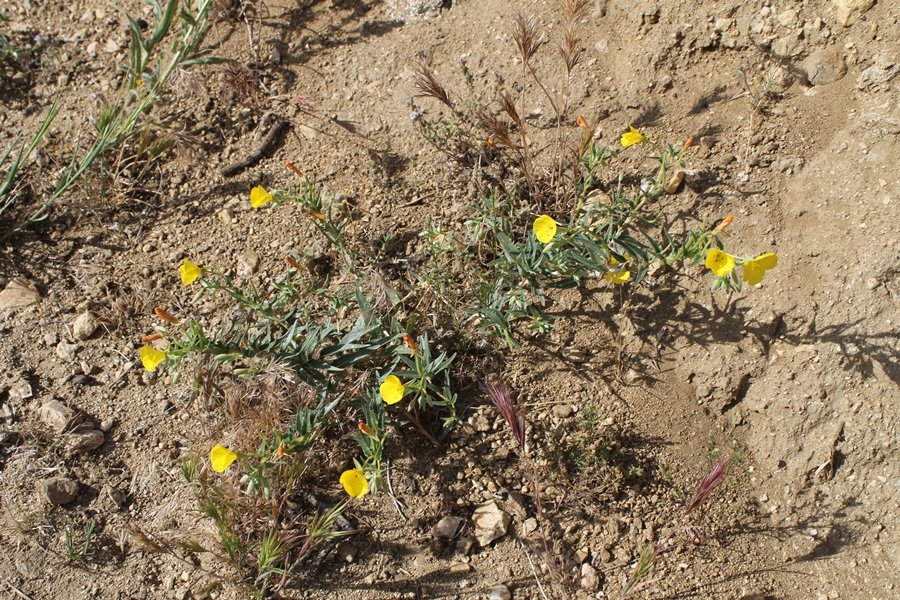
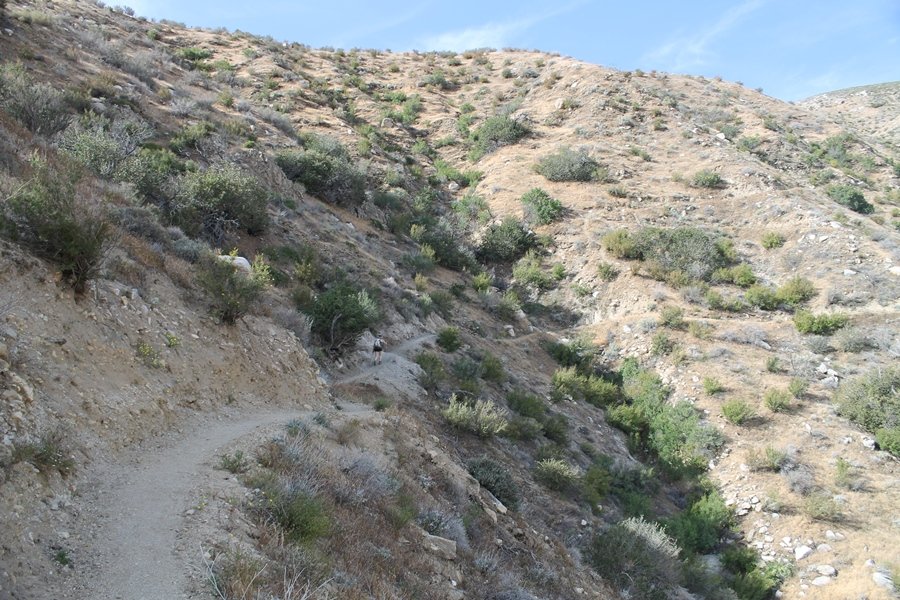
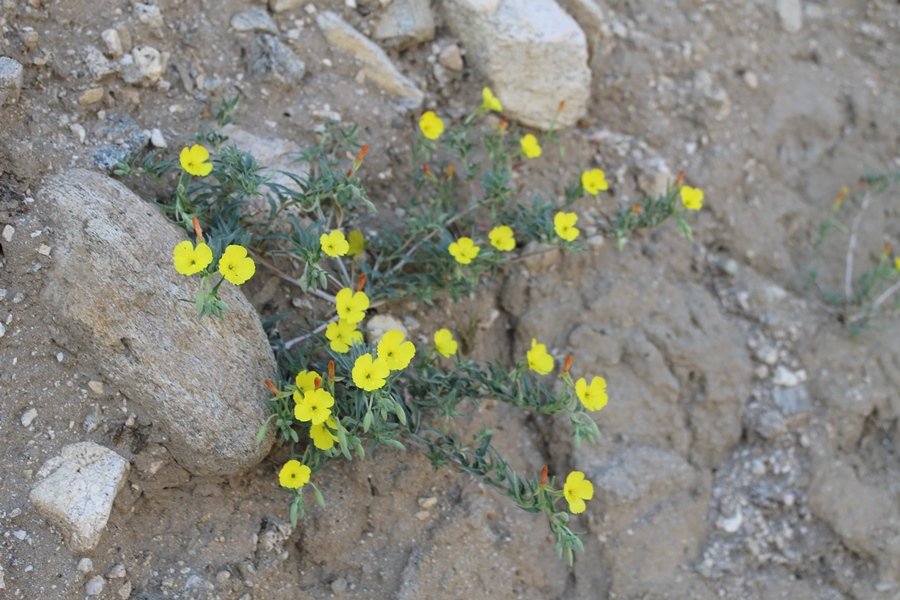
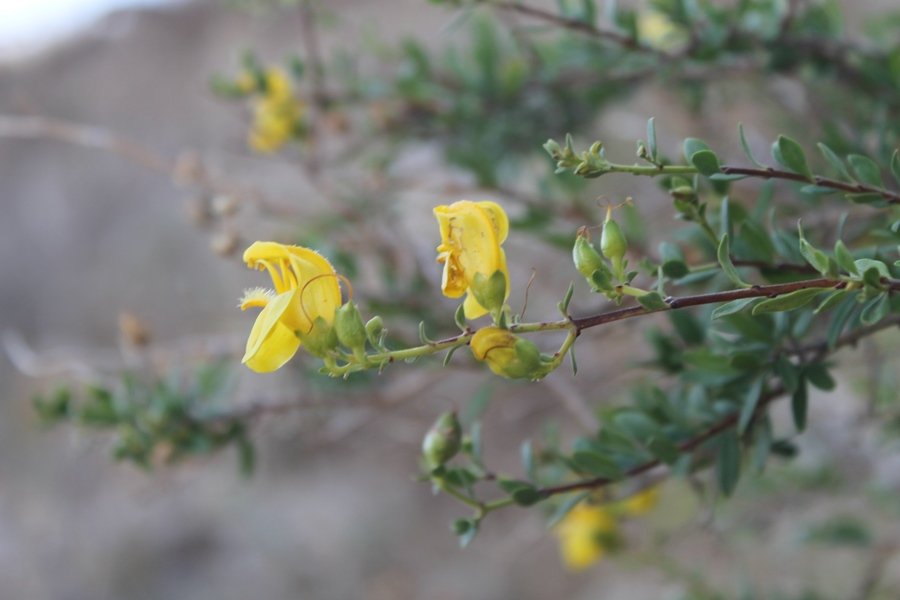
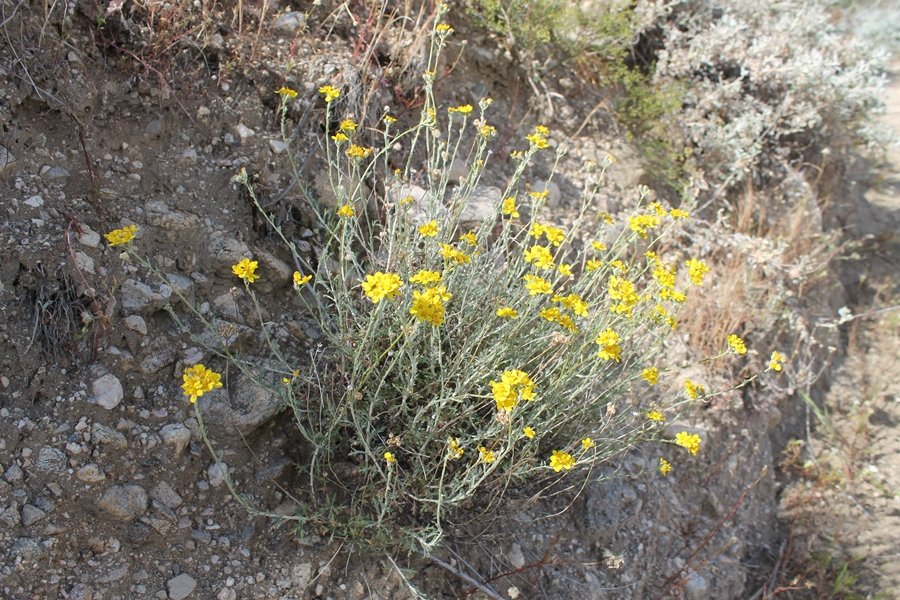
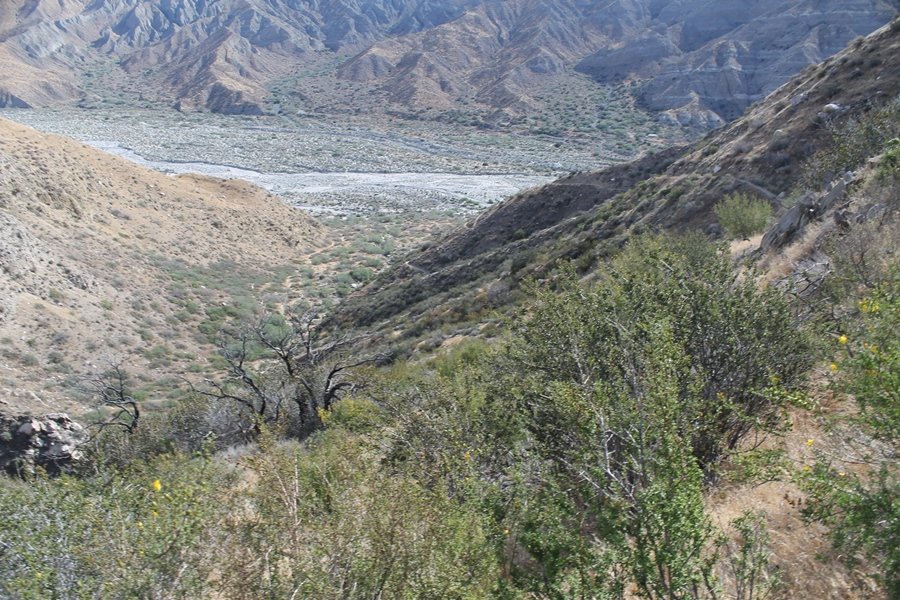
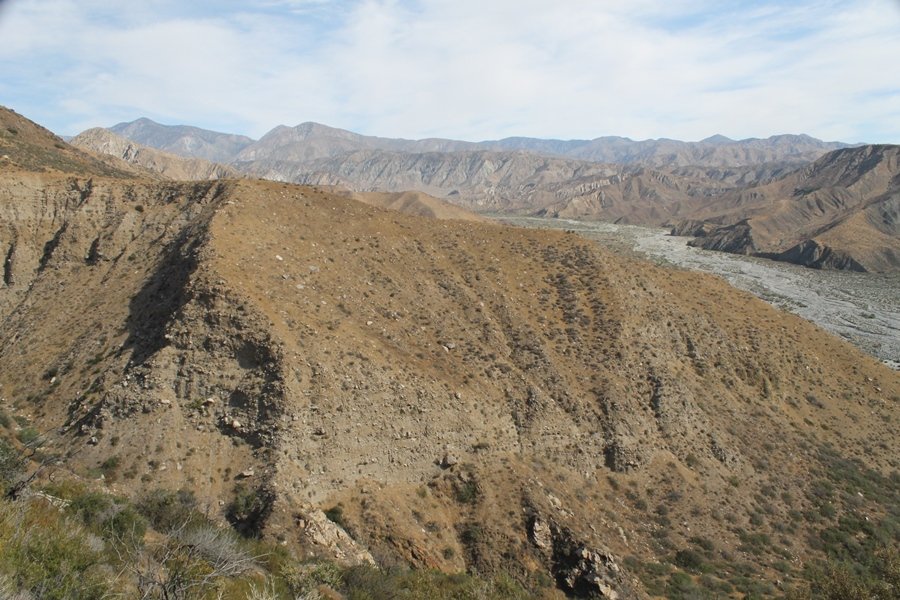
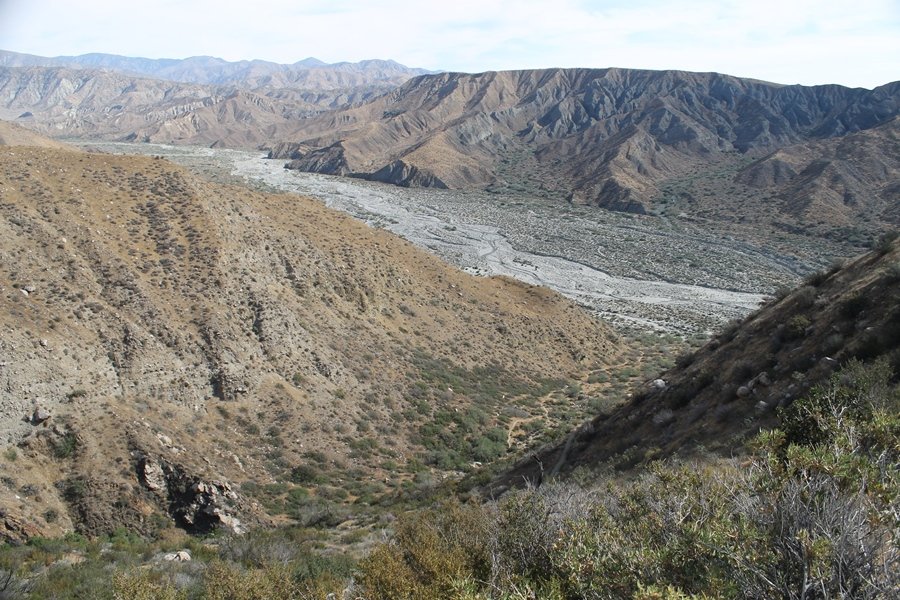
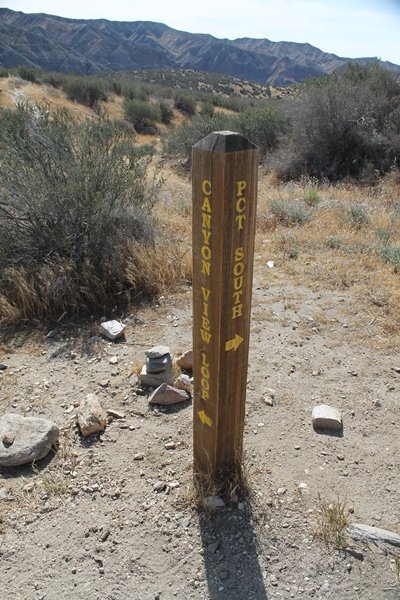
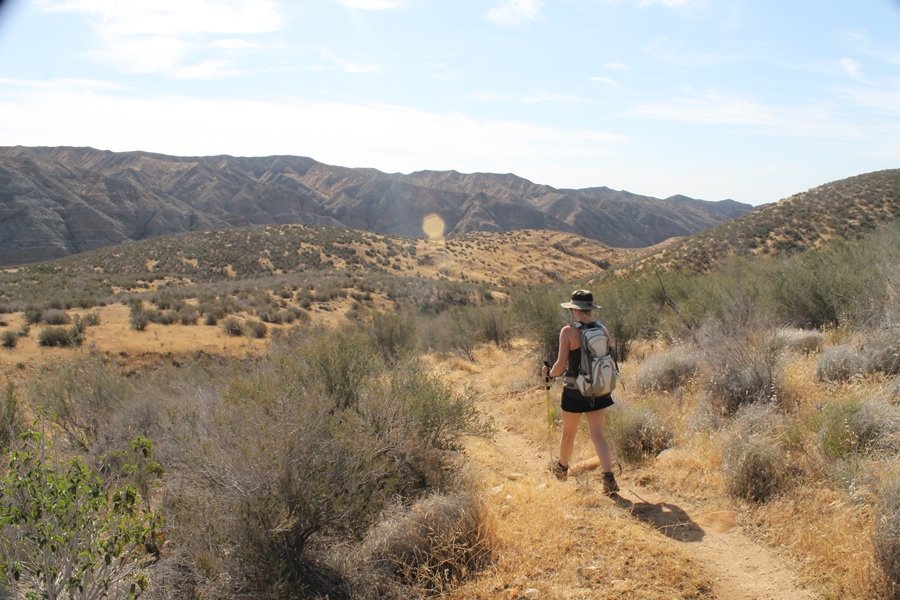
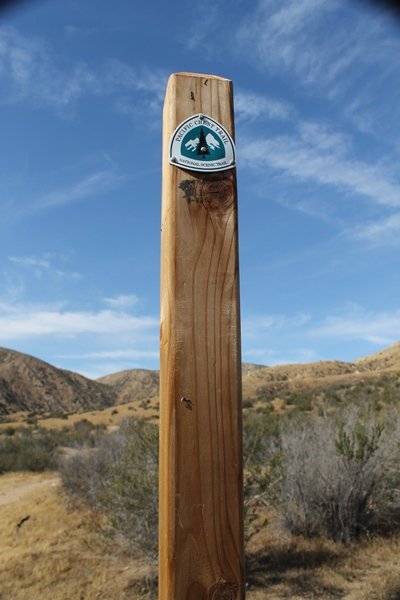
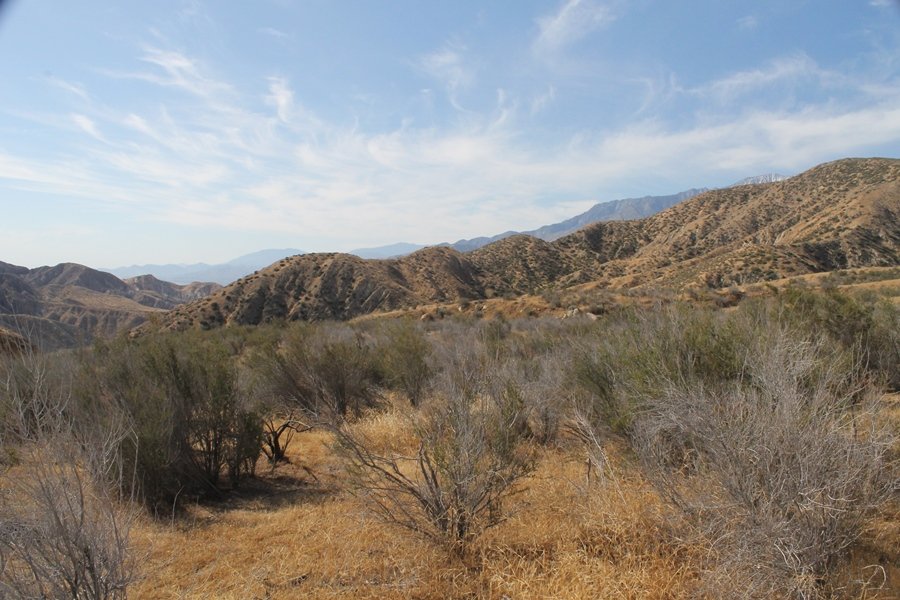
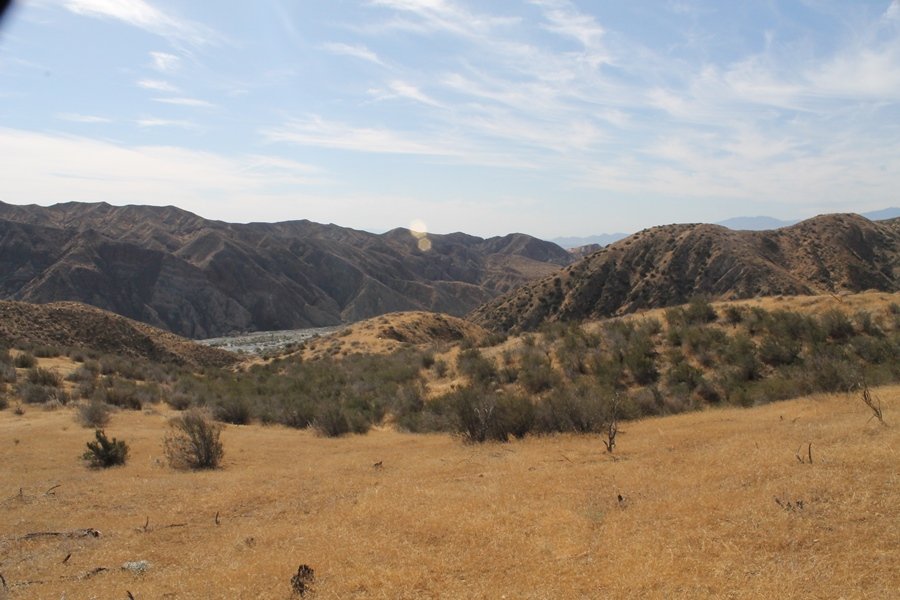
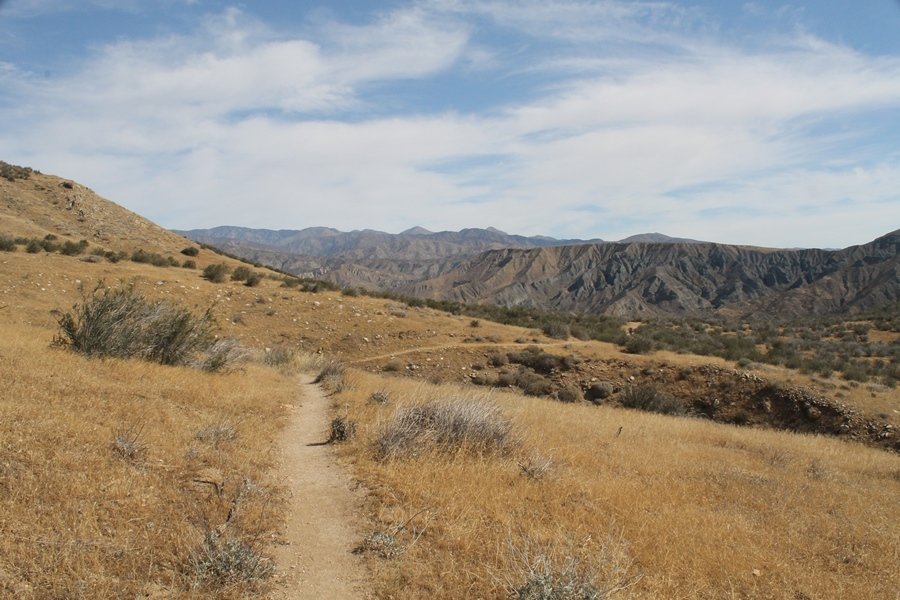
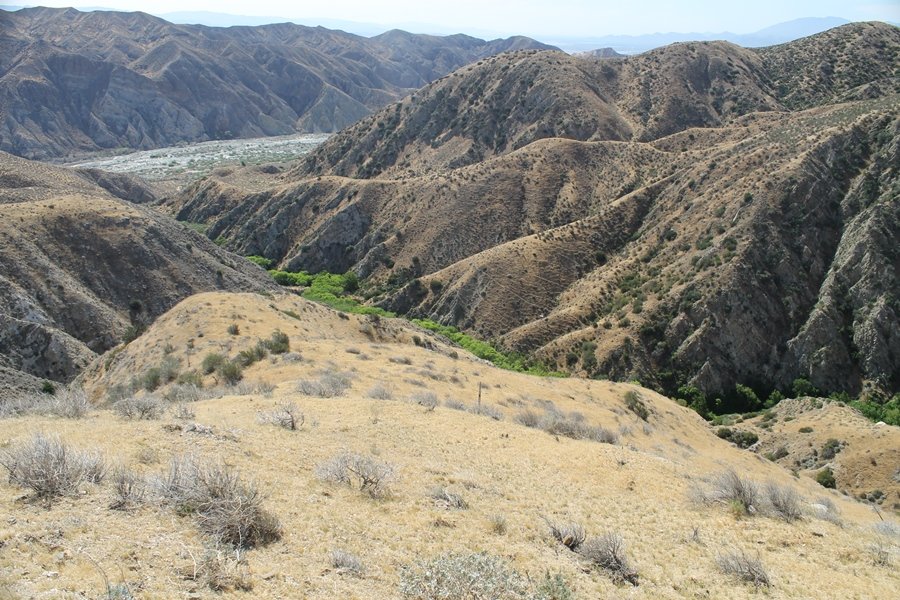
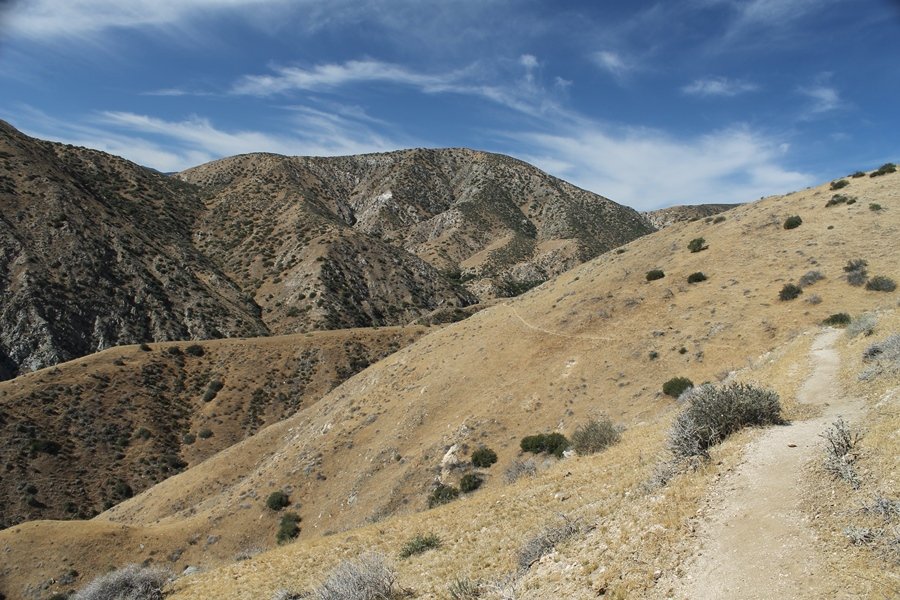
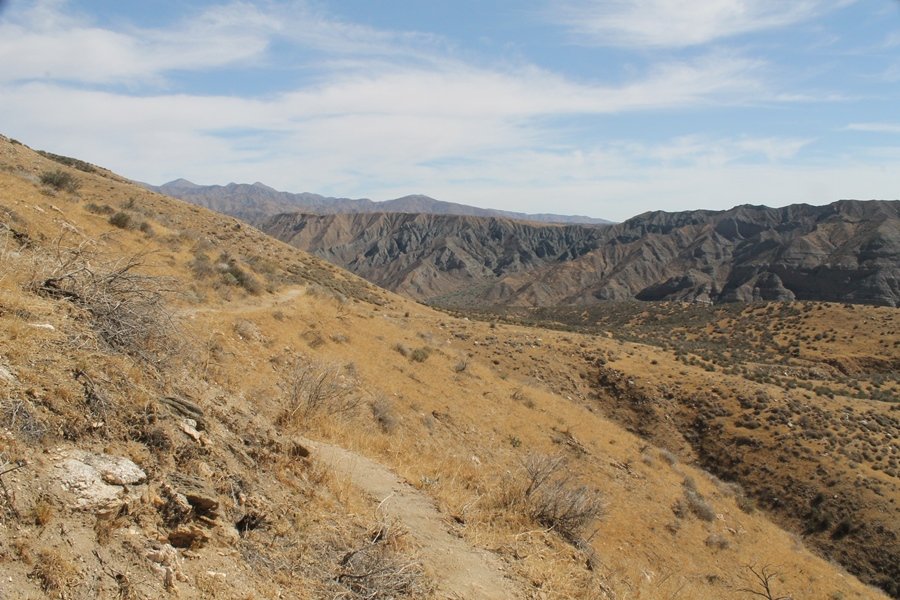
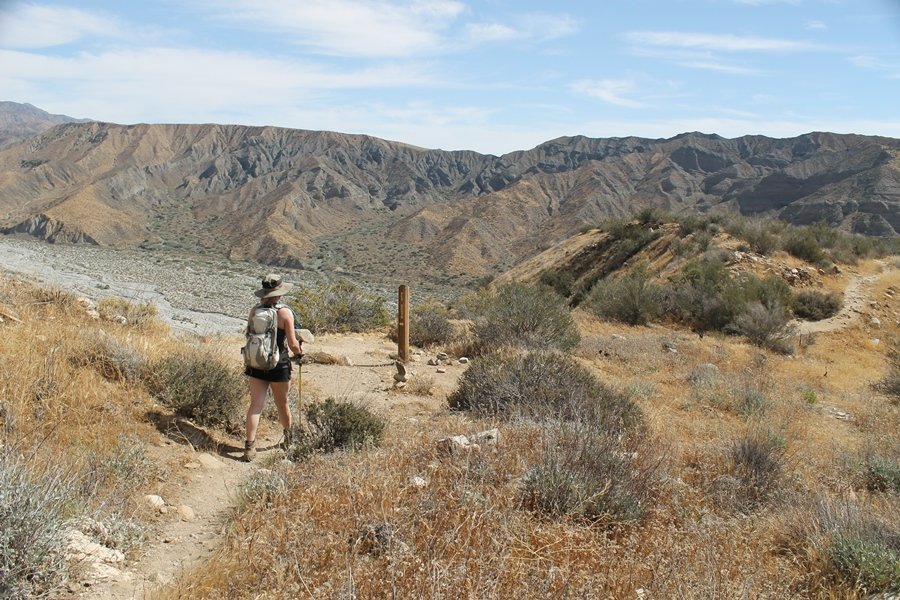
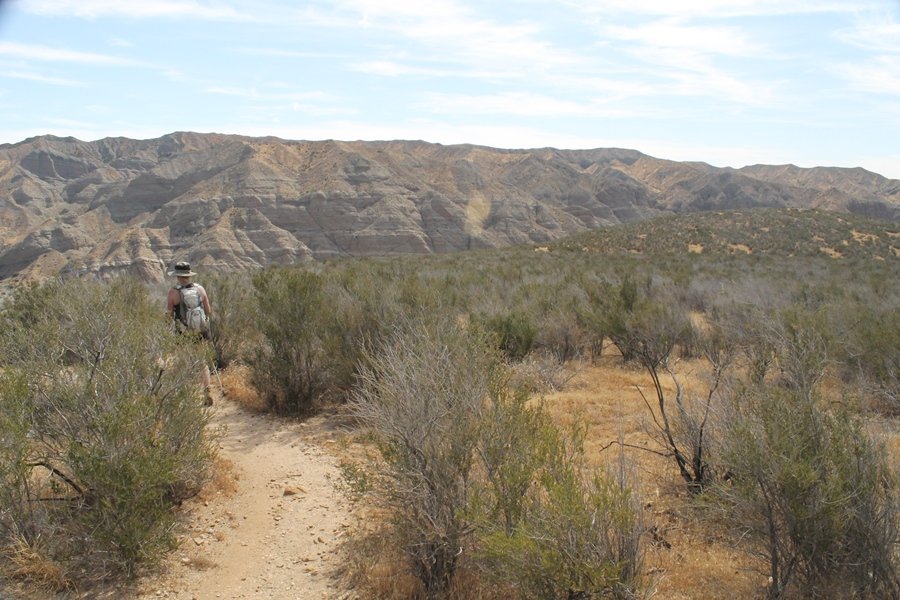
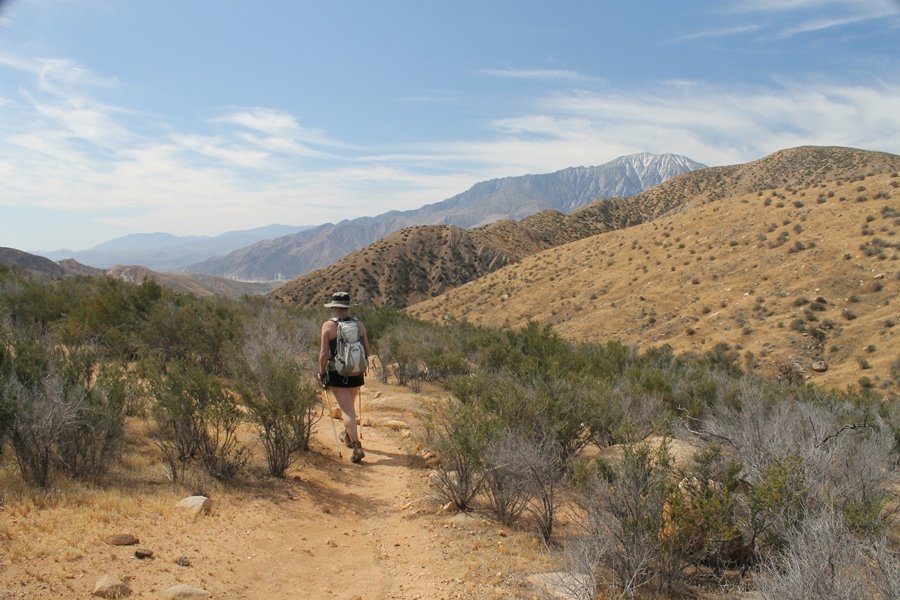
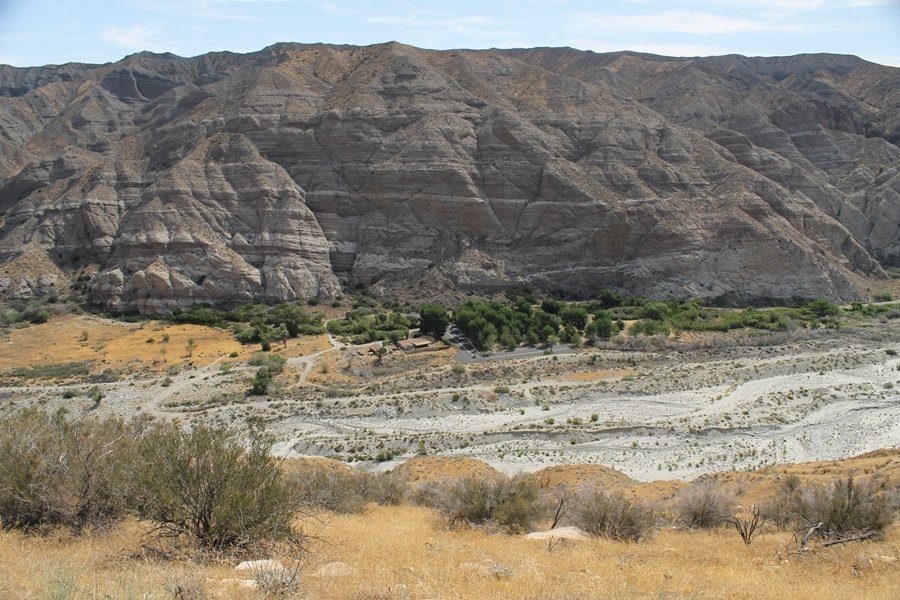
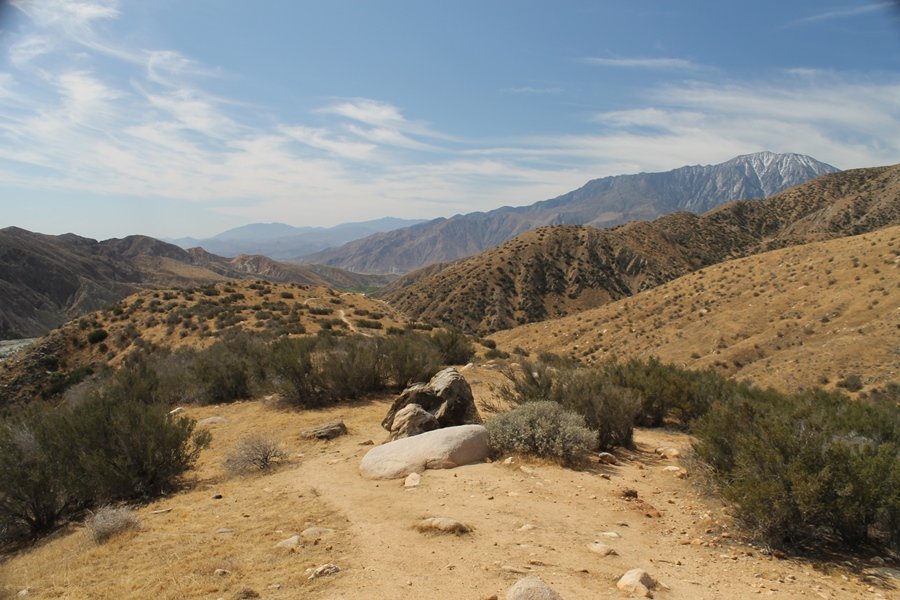
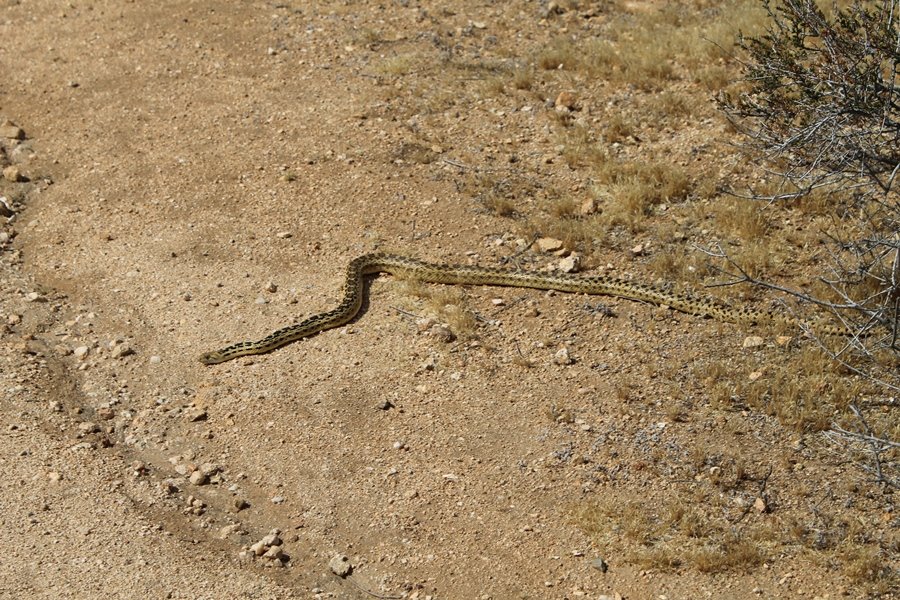
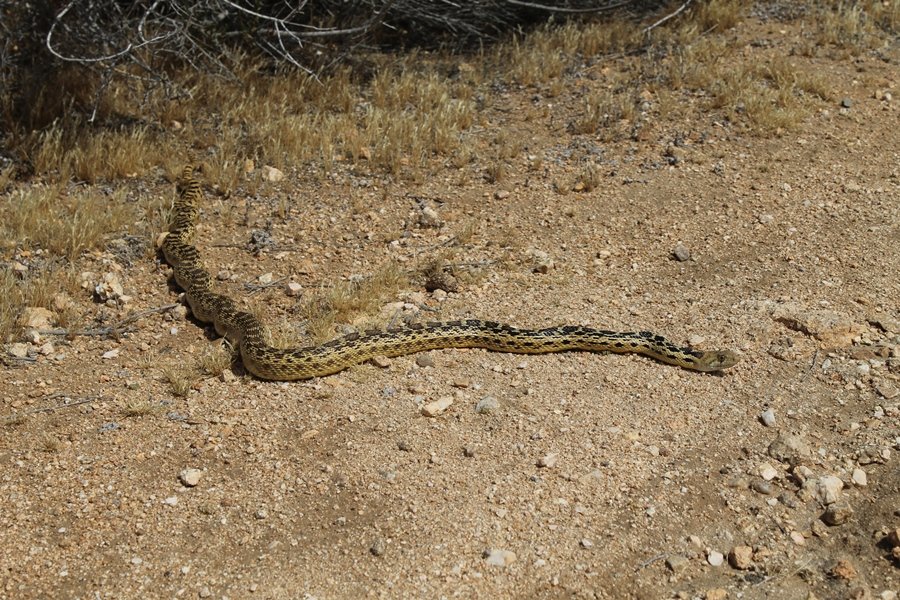
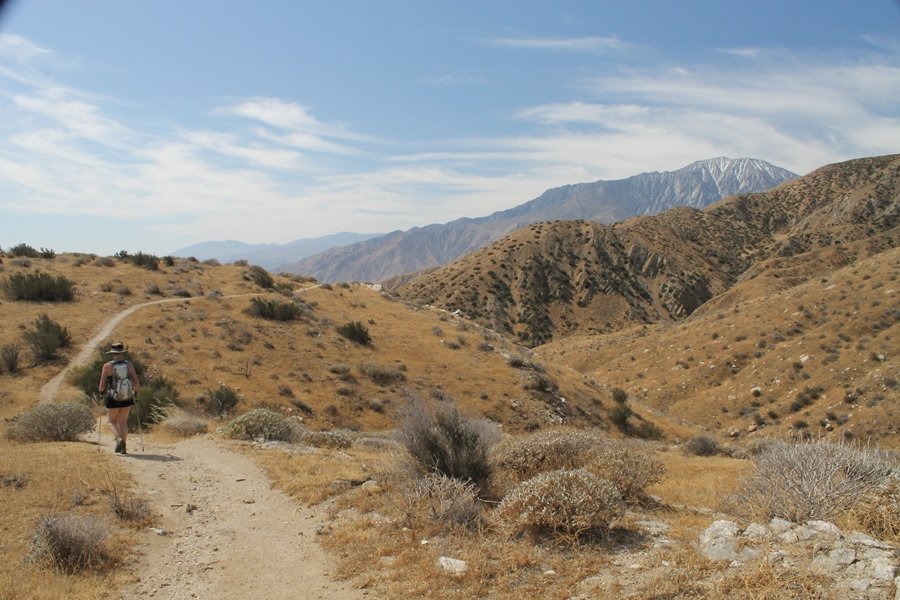
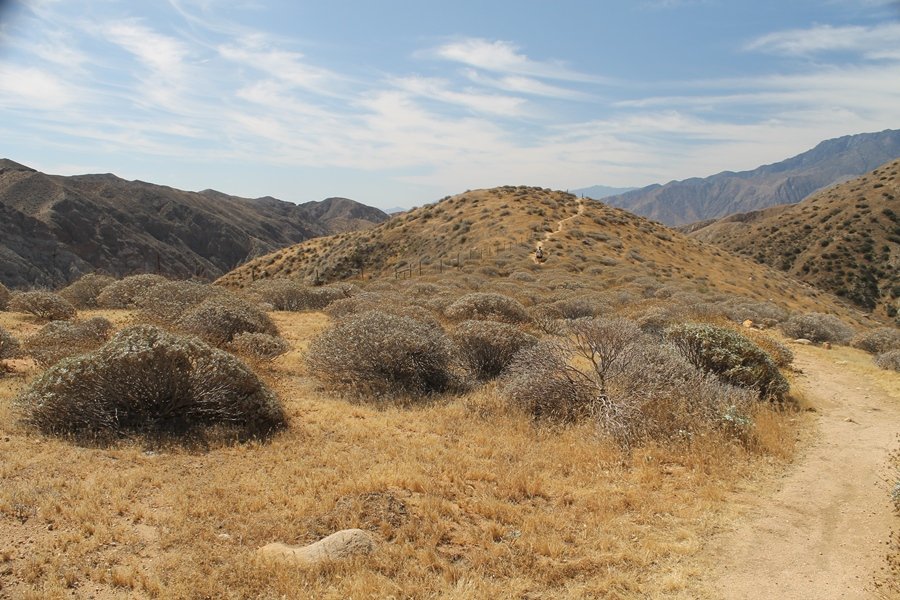
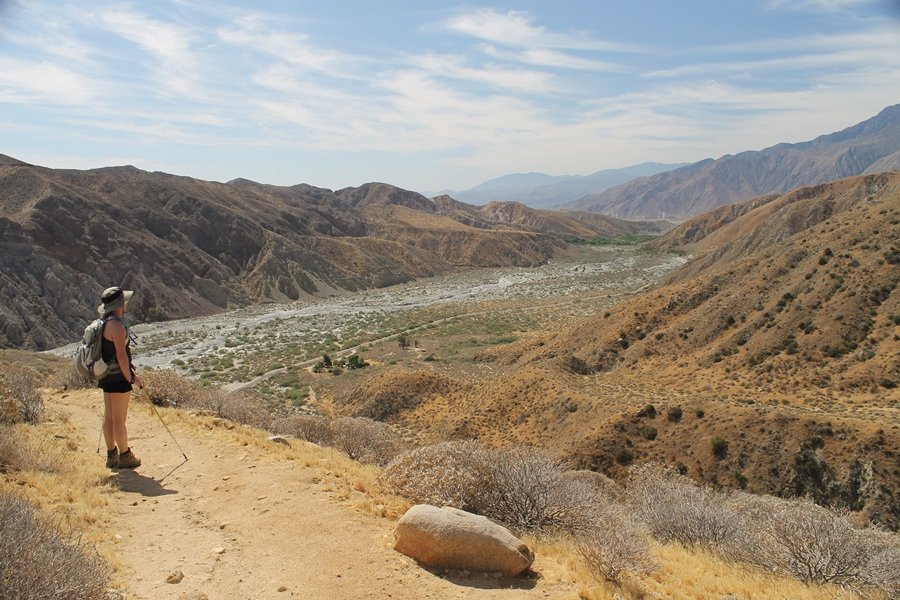
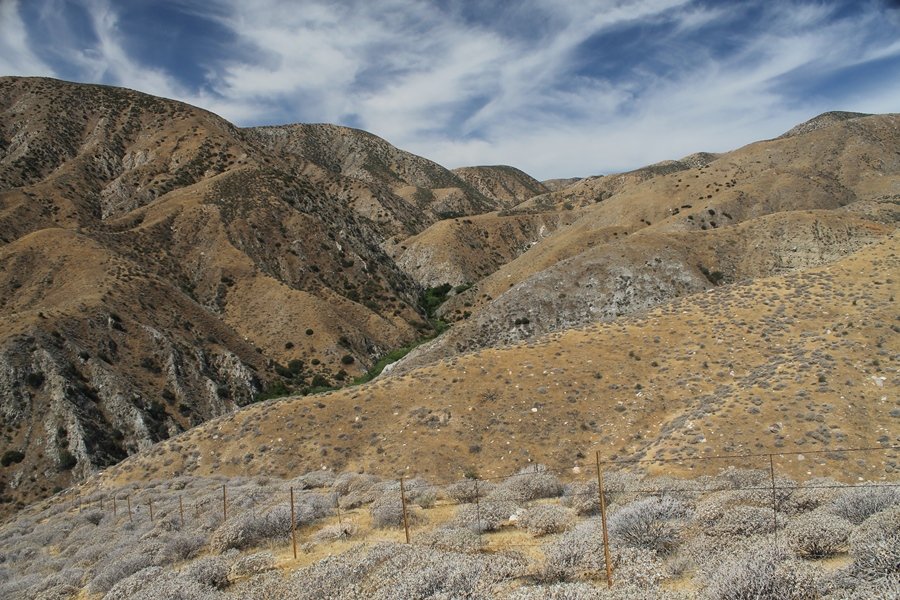
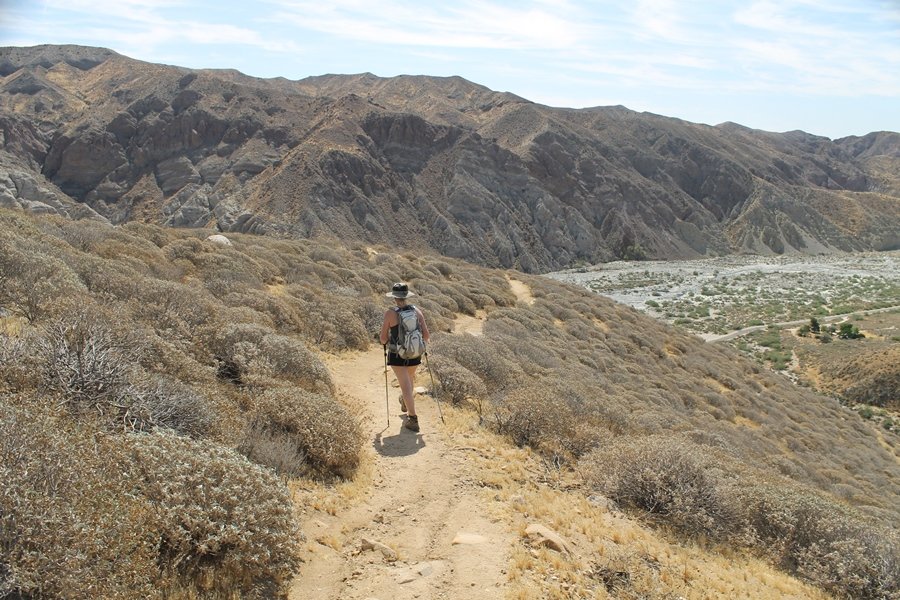
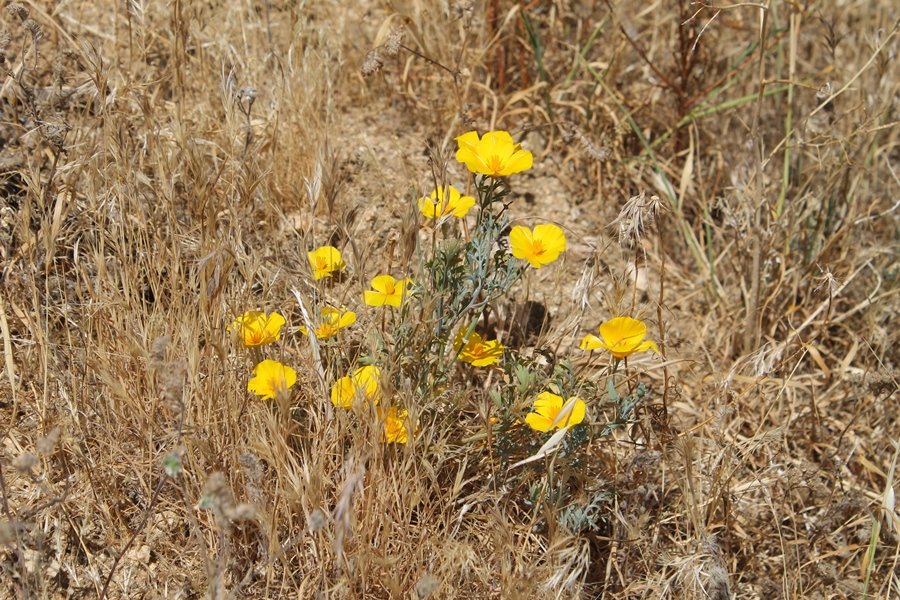
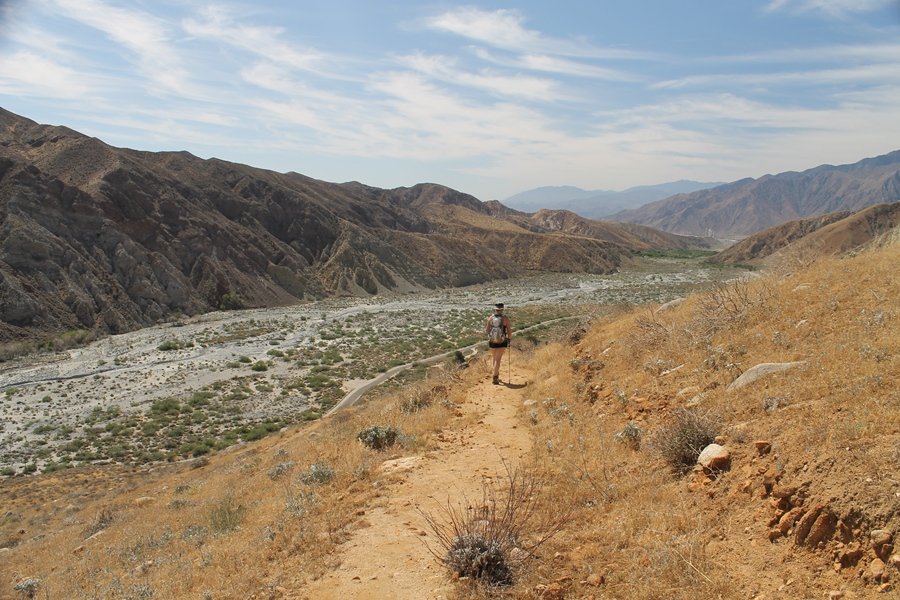
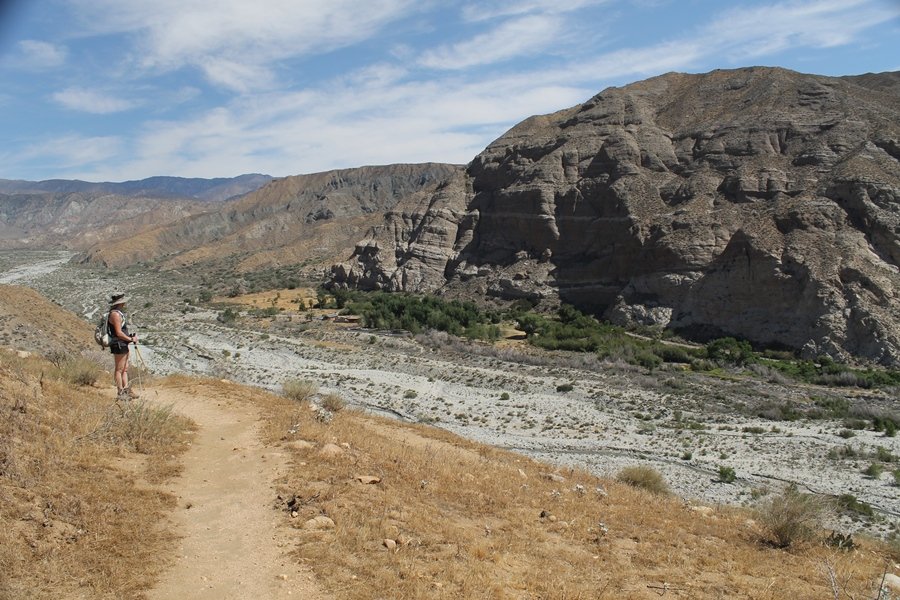
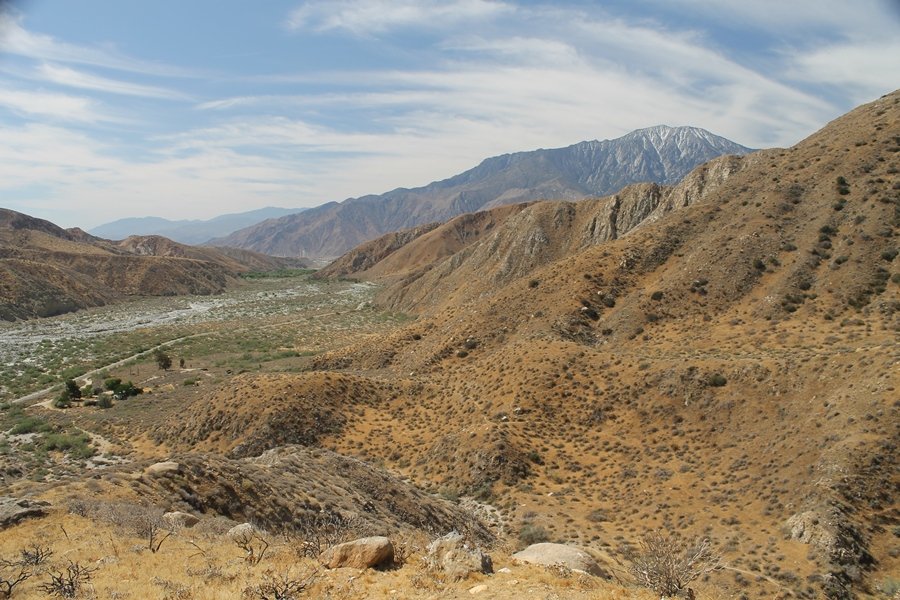
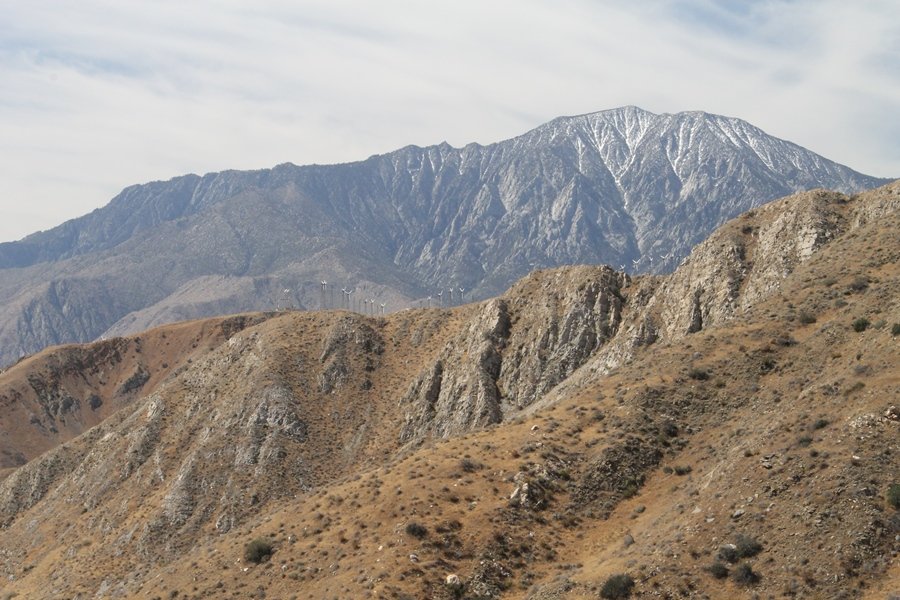
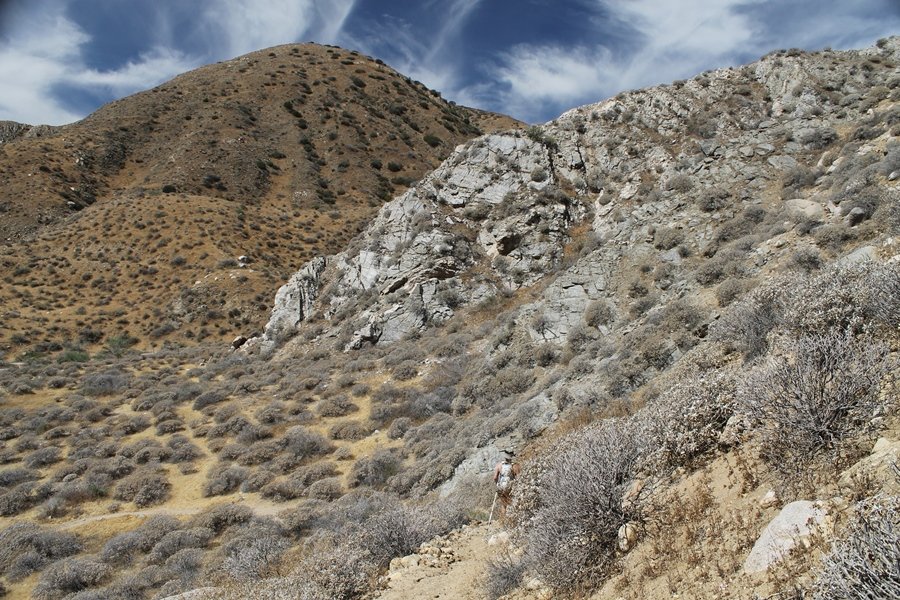
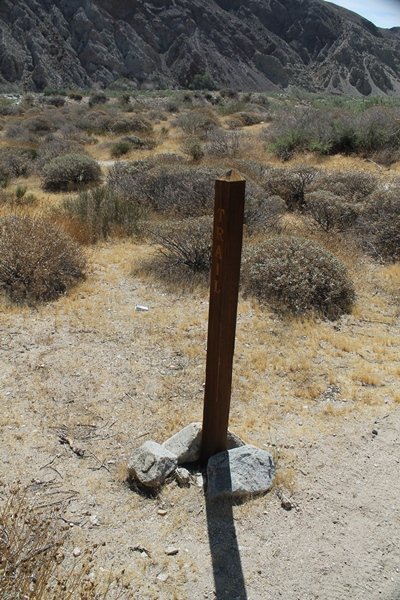
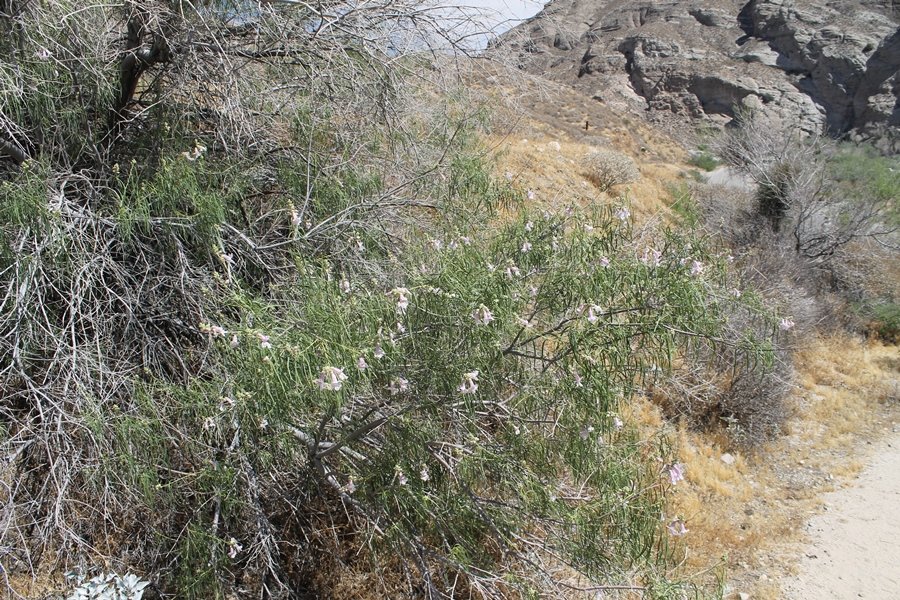
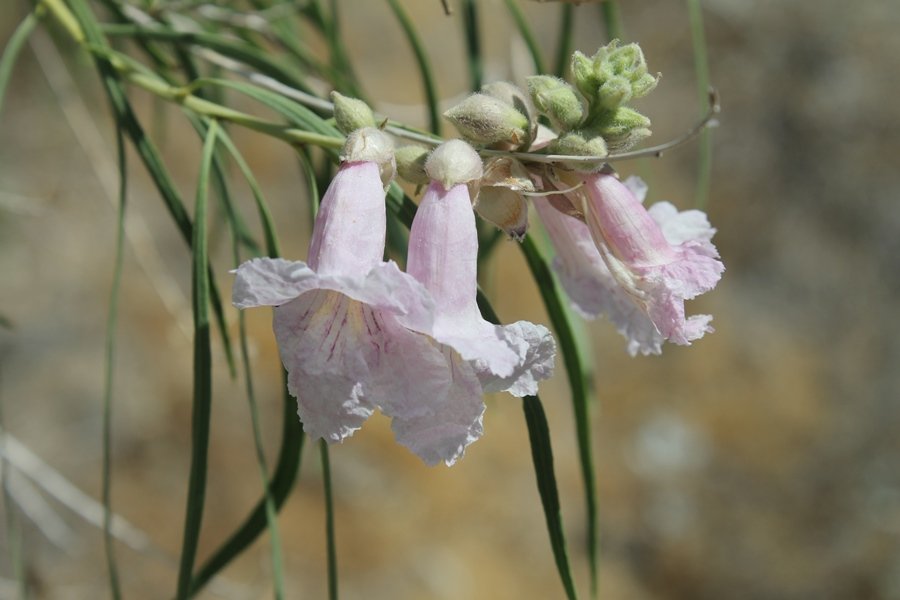
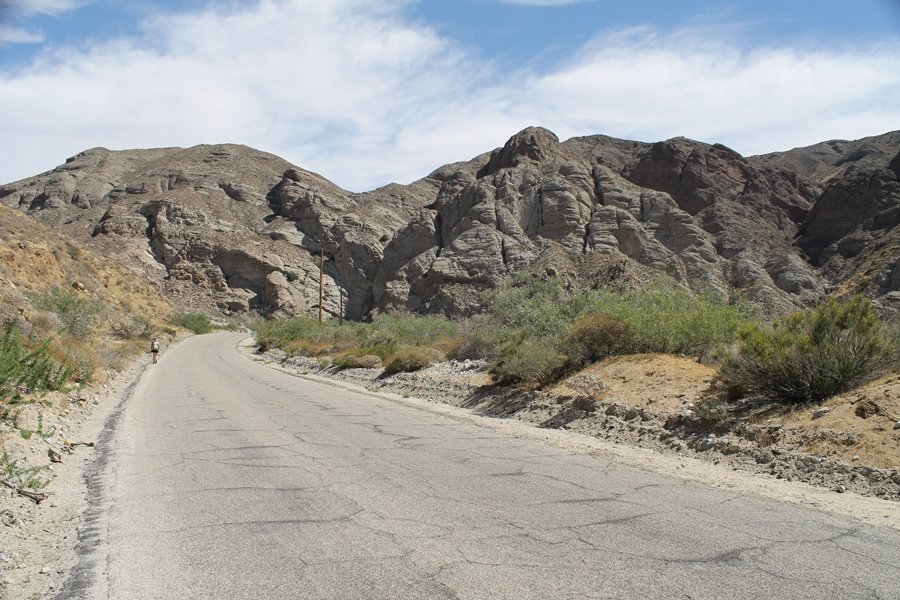
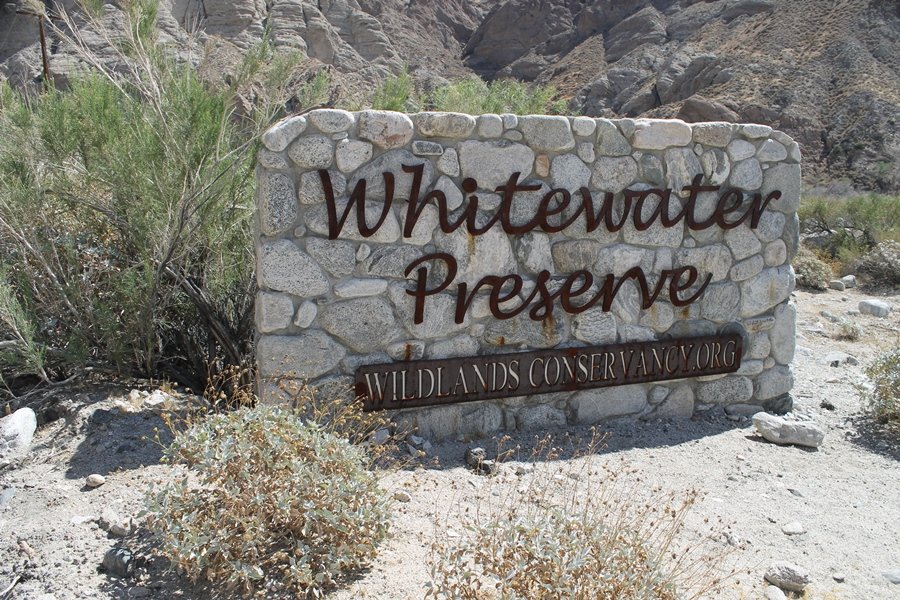
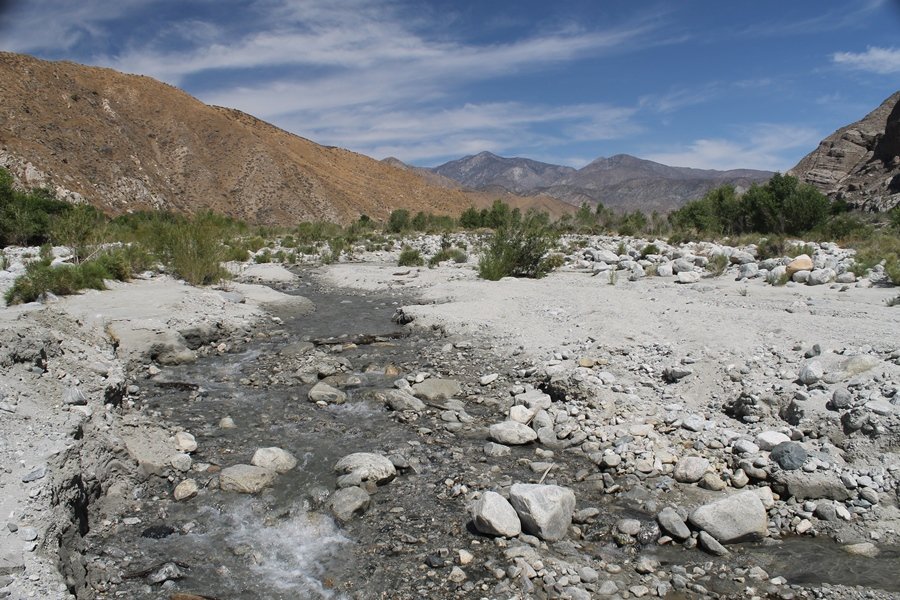
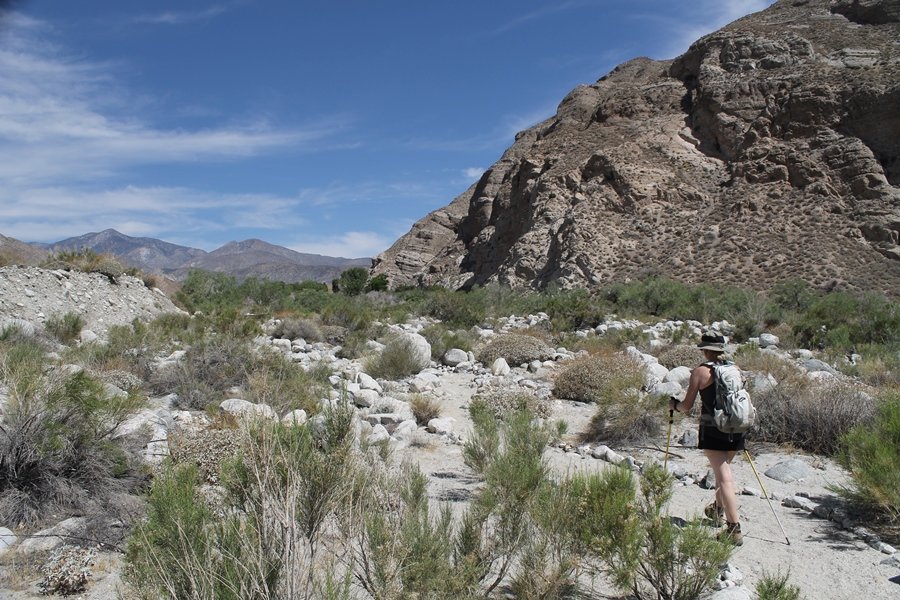
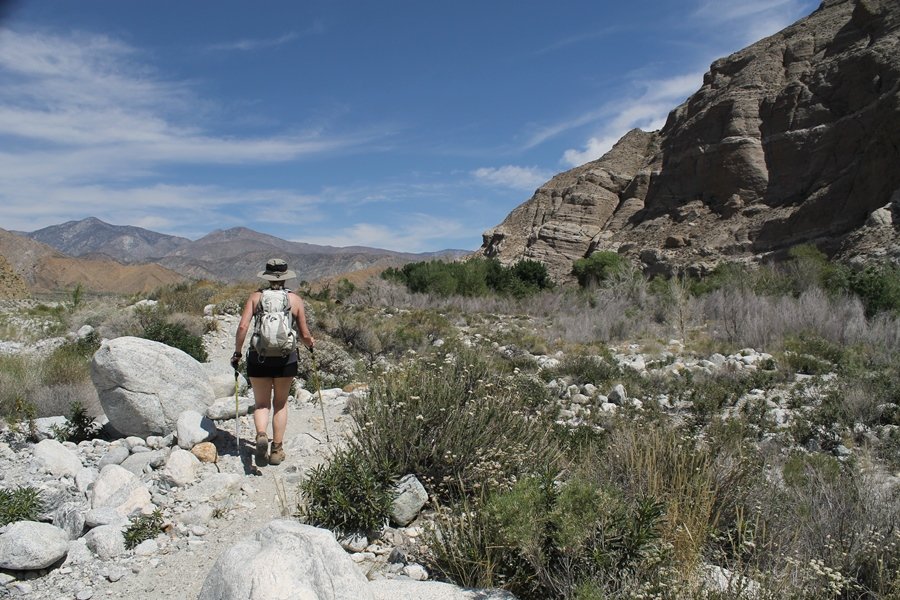
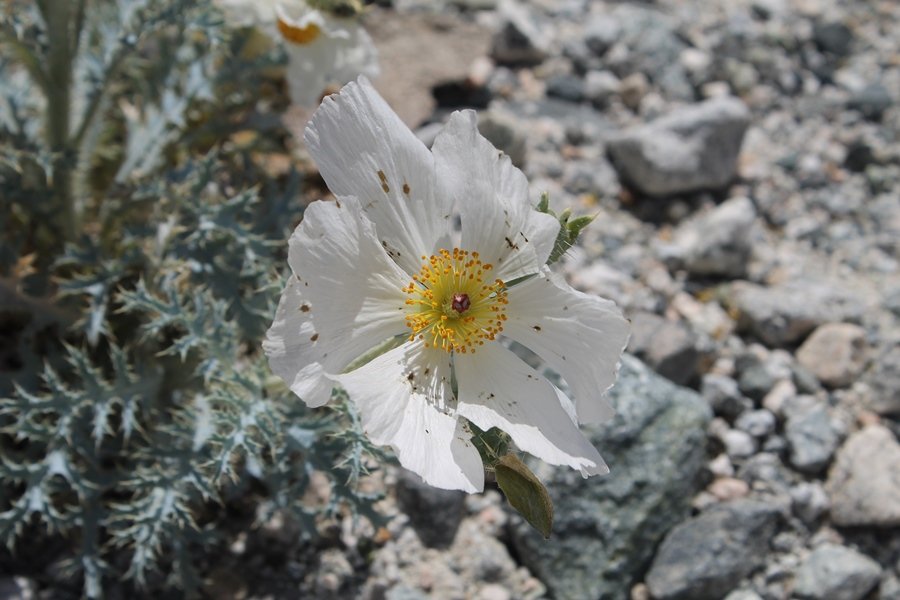
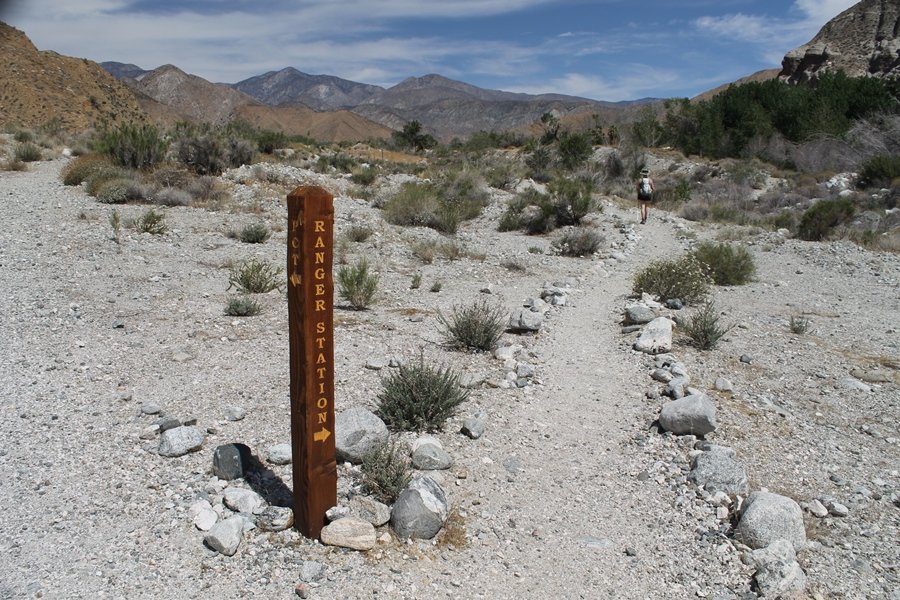
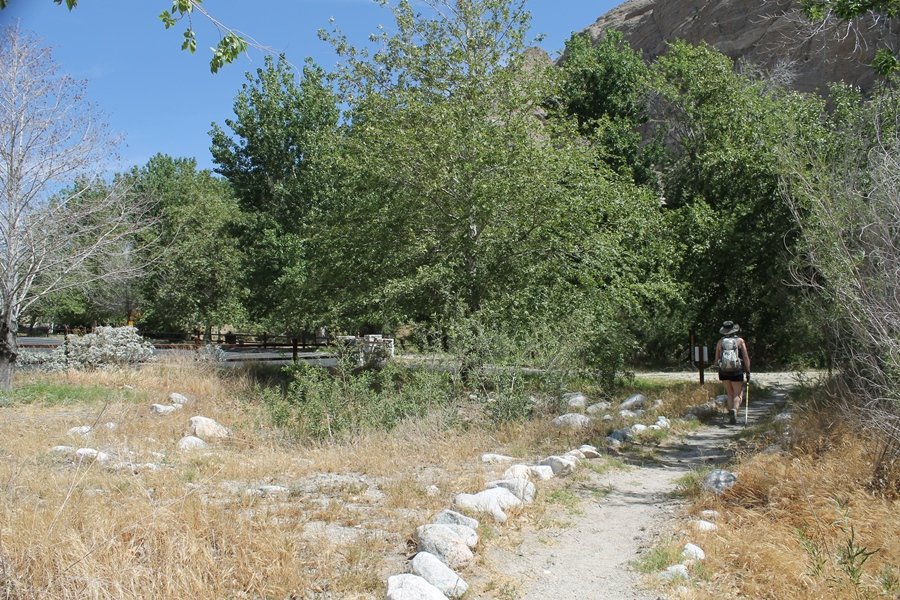
Day 2 of our Palm Desert trip found us trying to figure out where to hike without killing ourselves in the heat. We had talked about a 7-mile out-and-back to Murray Hill above Palm Springs, but with the forecast in the 100s we knew we’d have to be on the trail before sunrise, and that wasn’t likely to happen. We figured we could jet up to Whitewater Preserve about 30 minutes west and, if we got there right at 8am when they opened, we’d get a nice 3-mile loop in before it got really warm. It would also help to be a little higher in elevation – yesterday’s hike in Palm Canyon had started at around 800′ whereas the Whitewater hike would start over 1,400′ higher. Whitewater River has its source high on the slopes of San Gorgonio Mountain, and it flows generally southeastward to the Coachella Valley – the Preserve (owned by the Wildlands Conservancy, who also owns Wind Wolves Preserve near our home in Bakersfield) is situated a few miles north of the mouth of the canyon where the river exits the mountains. The loop we had in mind would start at the Preserve headquarters, lead west and north across the river and canyon, and meet the PCT – we’d then head south on the PCT up to a ridge where another lateral trail would lead us back south, then east, then north back to the start. We arrived at the Whitewater ranger station and visitor center a few minutes before 8:00, surprised to find the gates already open – this is, of course, the PCT thru-hiker season, so perhaps the rangers come in early to offer their services to PCTers, for whom the Preserve is a popular place to camp and get good water. We set out across the canyon, reaching the river within a few minutes – we understand the river flows year-round, and it was refreshing to see plentiful water in the midst of our lengthy drought. There were plenty of backpackers around, certainly including those who had been on the trail since before sunup – we said good morning to a few parties as we passed through the canyon, finding the PCT junction about a half mile from headquarters. From here, the PCT leads north and east into the Mission Creek drainage (where the Wildlands Conservancy operates another small preserve), up which it runs into the higher San Bernardino mountains southeast of Big Bear Lake – we turned left and headed southward, first up a short side canyon and then up a mile-long series of moderate switchbacks to a ridge about 500′ above the river canyon. The views north and east were wonderful, and we decided we would follow the PCT south for a while longer past our planned junction to see if we could find any open views further south and west. The trail south from the ridge top is very gradual in its ascent through several saddles before heading down to San Gorgonio Pass after three or four miles – we went about another mile or so, where we paused, after chatting for a few minutes with a northbound thru-hiker from San Diego, above a lush unnamed canyon on the southern slope of a tall hill. After a brief rest break, we retraced our path back to the ridge-top trail junction, turning right to follow the Canyon View trail back south and east. About a half mile down this trail, Jane found a shiny greenish-gold snake sunning himself in the middle of the trail – about three feet long, he paid us little mind as we skirted around him and continued southward. The views south to Palm Springs and San Jacinto Peak opened up as we went, and we soon found ourselves at the southern end of the ridge where the trail dropped down to the main canyon road through several long switchbacks. Reaching the road, we turned left and followed it a few hundred yards north, where we re-crossed the river and turned left again up a trail in the riverbed – a quick 3/4-mile walk north brought us back to the headquarters area and the Jeep. Although wildflowers had been plentiful in the shadier parts of the hike, we probably missed the best of the season by a few weeks – we’ll have to come back at some point earlier in the spring – we can imagine what the area would look like in late winter with the higher peaks covered in snow.